




The Winnetou Illusion: Romantic Fiction vs. the Reality of Genocide
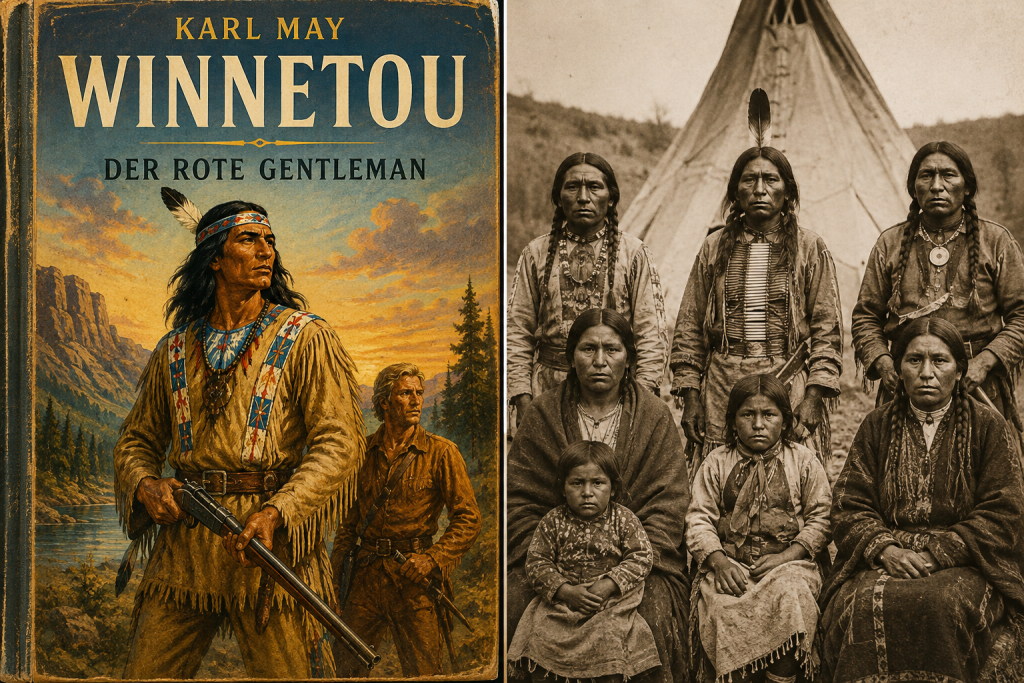
For decades, the stories of Winnetou, created by German author Karl May, have captivated millions of readers and moviegoers across Europe. The noble Apache chief and his blood brother, Old Shatterhand, became ultimate symbols of friendship, honor, and bravery.
However, as we advocate for the true voices of Indigenous peoples today, it is crucial to look back at these stories with a critical eye. While Winnetou created a massive wave of sympathy for Native Americans, it also painted a heavily distorted picture of history—one that protected the real perpetrators of historical atrocities.
Scapegoating the “Bandit”: A Dangerous Historical Lie
The most glaring historical inaccuracy in the Winnetou books and movies is the portrayal of the “bad guys.” In Karl May’s universe, the villains are almost exclusively rogue bandits, greedy outlaws, or corrupt individuals acting alone.
By framing lone bandits as the primary threat, these stories conveniently rewrite history. Based on overwhelming historical evidence, it is a widely accepted fact that the systemic genocide, displacement, and torture of Native American tribes were not carried out by a few rogue criminals.
The responsibility for the genocide of Indigenous peoples lies directly and explicitly with the settlers who relentlessly invaded Native lands, and the military forces—specifically the United States Army—who violently enforced this displacement.
In the world of Winnetou, the settlers are often portrayed as innocent pioneers just looking for a better life, and the military is frequently shown as honorable or simply “misguided.” This narrative deliberately shielded audiences from the uncomfortable truth: the settlers and the army were the active, driving forces executing a devastating and deliberate genocide against Indigenous populations.
Erasing the Systemic Trauma
When a fictional narrative blames outlaws for the destruction of Native American villages, it reduces a state-sponsored genocide to a simple “cops and robbers” trope. It erases the painful reality of broken treaties, brutal massacres carried out by soldiers, forced marches like the Trail of Tears, and the systemic eradication of Indigenous culture, languages, and food sources by the settler-colonial state.
To truly honor Indigenous history, we must separate historical facts from European inferences and romanticized fiction. The truth is uncomfortable, but explicitly acknowledging who was responsible is the only way to show genuine respect to the victims and their descendants.