





Hollywood has a long history of getting Native American representation completely wrong, creating harmful stereotypes that persist today. This guide is for movie lovers, filmmakers, educators, and anyone who wants to understand how Native American misrepresentation in the entertainment industry affects real communities.
For decades, films have reduced complex tribal cultures to oversimplified caricatures and invented historical narratives that bear little resemblance to actual events. These Hollywood stereotypes about Native Americans don’t just hurt feelings—they have real economic and social consequences for indigenous peoples.
We’ll explore how damaging character portrayals replace authentic Native American portrayal in media with outdated “noble savage” and “vanishing race” myths. You’ll also learn about the historical inaccuracies in Native American films that twist actual events into convenient plot devices. Finally, we’ll examine how cultural appropriation disguised as creative freedom continues to harm Native communities economically and culturally.
Understanding these issues helps us recognize why authentic representation matters and how we can support more accurate storytelling about Native American cultures.
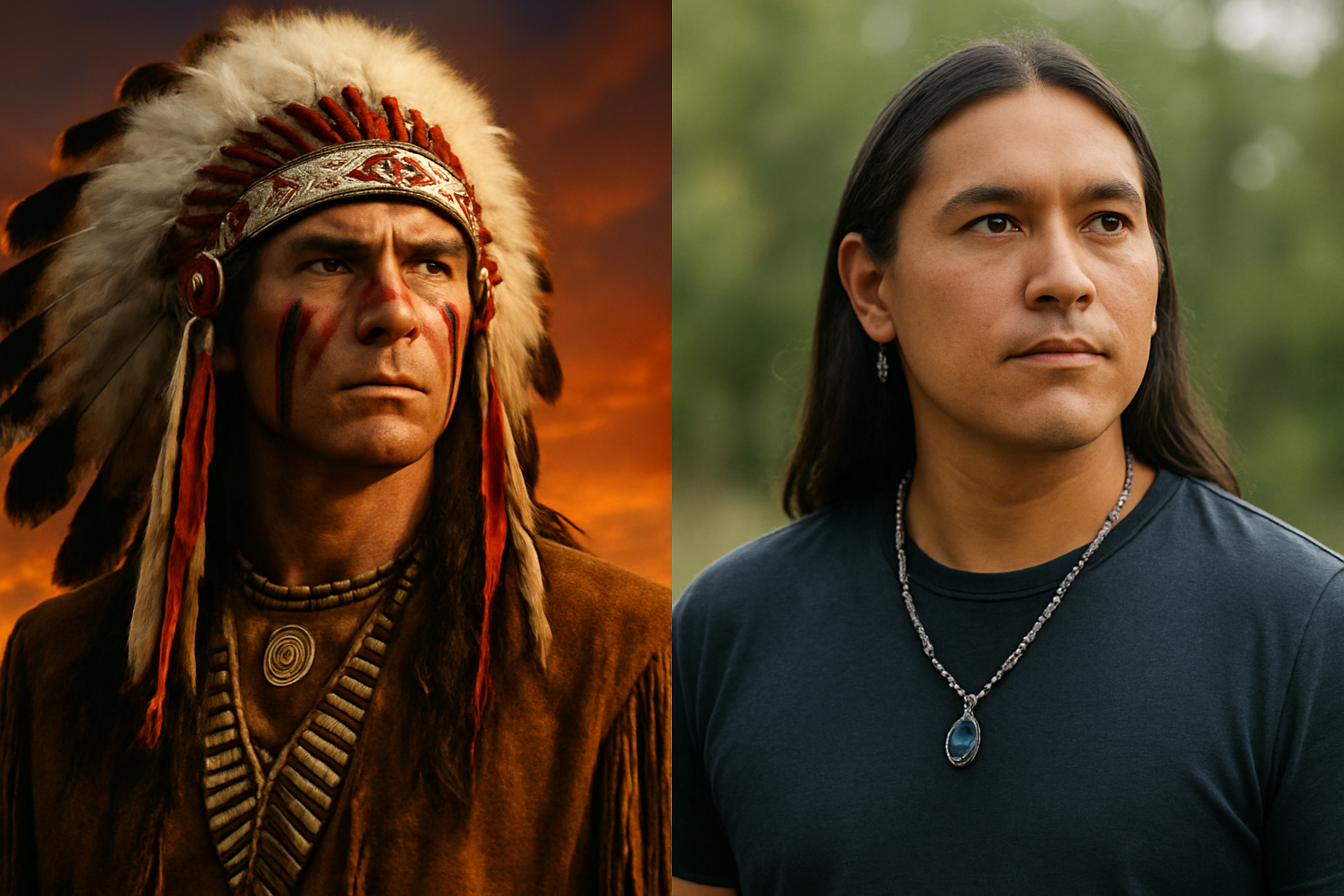
Hollywood’s portrayal of Native American representation has been deeply entrenched in the “Noble Savage” stereotype for decades, creating a damaging dichotomy that strips Indigenous peoples of their humanity and complexity. This romanticized archetype presents Native Americans as either pure, spiritual beings living in perfect harmony with nature, or as violent, primitive obstacles to civilization’s progress.
The Noble Savage concept originated in European Enlightenment thinking, where philosophers like Jean-Jacques Rousseau idealized “primitive” peoples as uncorrupted by civilization’s evils. When this concept migrated to American cinema, it became a tool for both admiration and othering, creating what scholars call the “vanishing Indian” narrative. This portrayal suggests that “real” Native Americans exist only in the past, frozen in time as either noble warriors or mystical guides for white protagonists.
Films like “Dances with Wolves” (1990) exemplify this problematic representation. While praised for its sympathetic portrayal of Lakota culture, the movie centers the white protagonist’s journey of enlightenment through contact with Native peoples. The Lakota characters, despite being portrayed positively, serve primarily as vehicles for the white character’s spiritual awakening. They’re presented as wise, peaceful, and deeply connected to nature, but lack the complex motivations, internal conflicts, and individual personalities that make characters truly human.
This Hollywood stereotype creates several harmful impacts on real Native communities. First, it establishes impossible standards of authenticity. When popular culture presents Native peoples as mystical beings who must always be spiritual, connected to nature, and wise, it denies contemporary Native Americans the right to be complex, flawed, and modern individuals. A Navajo software engineer or a Cherokee lawyer doesn’t fit the Noble Savage archetype, leading to their experiences being dismissed as “not authentically Native.”
The Noble Savage myth also perpetuates the idea that Native cultures are incompatible with modernity. By consistently portraying Indigenous peoples in historical settings or as guardians of ancient wisdom, Hollywood reinforces the notion that Native Americans belong in the past. This temporal displacement has real-world consequences, contributing to policies and attitudes that treat Native communities as museum pieces rather than living, evolving cultures with contemporary concerns and aspirations.
The economic implications of this stereotyping are significant. When casting directors and producers expect Native actors to embody the Noble Savage archetype, it limits opportunities for Indigenous performers who don’t fit this narrow mold. Actors report being told they’re “not Native enough” if they don’t possess certain physical features or if they can’t convincingly portray the stoic, spiritual character type that audiences expect.
Research by Dr. Stephanie Fryberg at the University of Washington demonstrates how these positive stereotypes can be just as harmful as negative ones. Her studies show that exposure to Noble Savage imagery actually decreases self-esteem and sense of community worth among Native American students. The “positive” stereotype creates an impossible standard that real people cannot live up to, while simultaneously suggesting that their worth lies only in their ability to provide spiritual guidance to non-Native peoples.
The Noble Savage archetype also intersects with environmental and political issues in problematic ways. While environmental stewardship is indeed important to many Native communities, the stereotype reduces complex political and economic relationships to simplistic narratives about harmony with nature. This reductionism undermines serious discussions about tribal sovereignty, treaty rights, and land disputes by framing Native concerns as purely spiritual rather than legal and political.
Modern films continue to perpetuate this myth, often with good intentions. Movies like “The Revenant” (2015) present Native characters as mystical figures who appear at crucial moments to provide guidance or supernatural intervention. While these portrayals avoid overtly negative stereotypes, they maintain the fundamental problem of denying Native characters full humanity and agency within their own stories.
The impact extends beyond individual films to shape broader cultural understanding. When the primary exposure many Americans have to Native cultures comes through Noble Savage portrayals, it creates expectations that real Native people must constantly navigate. Community members report feeling pressured to perform “Indianness” in ways that conform to these stereotypes, whether in professional settings, educational environments, or social interactions.
Breaking free from the Noble Savage myth requires recognizing Native Americans as complete human beings with the same capacity for good and evil, wisdom and foolishness, tradition and innovation as any other group. Authentic representation means showing Native characters as lawyers, teachers, artists, and activists, not just as spiritual guides or guardians of ancient wisdom.
Action movies have consistently reduced Native American characters to one-dimensional warrior stereotypes, stripping away cultural complexity in favor of simplistic portrayals that emphasize physical prowess over intellectual depth. These Native American cultural misrepresentations in action films create a narrow view of Indigenous masculinity while ignoring the rich diversity of roles, personalities, and skills that exist within Native communities.
The warrior stereotype manifests in several predictable ways across action cinema. Native characters are typically introduced through their fighting abilities, often appearing as skilled trackers, expert archers, or hand-to-hand combat specialists. They’re frequently silent or speak in broken English, communicating primarily through meaningful looks and physical actions. Their motivations are usually simple: revenge for past wrongs, protection of their people, or assistance to a white protagonist who has earned their respect through combat prowess.
Films like “Predator” (1987) showcase this reductive approach through the character of Billy Sole, played by Sonny Landham. Billy serves as the team’s tracker and appears to have supernatural senses that allow him to detect the alien threat. His character arc consists entirely of tracking, fighting, and ultimately sacrificing himself in a futile but honorable last stand. The film provides no backstory, no personal relationships, and no motivations beyond his role as the team’s Native warrior specialist.
The Rambo franchise exemplifies how action films weaponize Native imagery without engaging with actual Native experiences. John Rambo’s character draws heavily on stereotypical Native warrior tropes – he’s a survivalist who can track through wilderness, fight with primitive weapons, and endure extreme hardship. While Rambo himself isn’t Native American, his character embodies the Hollywood conception of Indigenous masculinity transplanted onto a white protagonist, effectively erasing actual Native experiences while co-opting their cultural symbols.
These one-dimensional portrayals have several damaging effects on how society views Native men and masculinity. The warrior stereotype creates an expectation that Native men should be naturally aggressive, stoic, and physically formidable. This narrow definition of Native masculinity excludes the vast majority of Native men whose lives and interests don’t revolve around combat or survival skills. A Native American who works in technology, enjoys poetry, or prefers indoor activities challenges these stereotypical expectations, leading to questions about their authenticity.
The stereotype also reinforces harmful ideas about Native communities being inherently violent or primitive. When action films consistently portray Native characters as warriors first and individuals second, it perpetuates the notion that Indigenous cultures are fundamentally about warfare and conflict. This misrepresentation ignores the sophisticated diplomatic traditions, trade networks, agricultural innovations, and peaceful conflict resolution methods that characterized many Native societies.
Action films often compound these problems by conflating different tribal cultures into a generic “Native warrior” archetype. A character might be identified as Cherokee but carry weapons and wear clothing associated with Plains tribes, or perform rituals that belong to completely different cultural traditions. This cultural mixing treats Native American cultures as interchangeable rather than recognizing the distinct histories, traditions, and practices of different tribal nations.
The temporal displacement common in these films adds another layer of harm. Native warriors in action movies are often portrayed using “traditional” weapons like bows, tomahawks, or spears, even in contemporary settings where such choices would be impractical or nonsensical. This anachronistic approach reinforces the idea that authentic Native people belong in the past and that modern technology somehow corrupts their essential nature.
Hollywood’s warrior stereotype also fails to capture the actual role of warriors within traditional Native societies. Historical Native warriors were often poets, diplomats, and spiritual leaders in addition to their military roles. Warfare wasn’t separate from other aspects of life but was integrated into complex social and cultural systems that emphasized honor, protection of community, and spiritual preparation. Action films strip away this context, reducing warfare to mere violence and aggression.
The economic impact of these stereotypes on Native actors is substantial. Casting calls for action films frequently seek Native performers who fit the warrior archetype – tall, muscular men with long hair and stern expressions. Actors who don’t match this physical template find fewer opportunities, while those who do become typecast in similar roles across different productions. This narrowing of opportunities limits the range of stories that can be told and the types of characters Native actors can portray.
Female Native characters in action films face their own version of this stereotyping, often portrayed as warrior princesses or fierce fighters who nonetheless remain secondary to male protagonists. These characters typically combine physical prowess with exotic beauty, serving as both allies and romantic interests for the main characters. Like their male counterparts, these female warriors are defined primarily by their fighting abilities rather than their personalities, relationships, or individual goals.
The international distribution of American action films means these stereotypes reach global audiences, shaping worldwide perceptions of Native American culture. Action movies are among Hollywood’s most successful exports, carrying these reductive portrayals to viewers who may have no other exposure to Native American culture. The global reach of these stereotypes amplifies their harmful impact and makes correcting misperceptions more challenging.
Breaking away from warrior stereotypes requires action filmmakers to develop Native characters as complete individuals with diverse skills, interests, and motivations. A Native character in an action film could be a brilliant strategist, a technology expert, a medic, or a diplomat – roles that contribute to the story without relying on stereotypical warrior imagery. When Native characters do engage in combat, their fighting styles and weapons choices should reflect realistic decisions rather than anachronistic adherence to Hollywood’s idea of “traditional” warfare.
Perhaps no stereotype has been more pervasive or damaging to authentic Native American portrayal than the mystical shaman character who appears in films primarily to provide supernatural guidance, prophecies, or magical solutions to white protagonists’ problems. This reduction of complex spiritual traditions to plot conveniences not only misrepresents Native religious practices but also transforms sacred cultural elements into entertainment commodities.
The mystical shaman stereotype typically manifests as an elderly Native character, often living in isolation, who possesses supernatural knowledge or abilities. These characters speak in cryptic riddles, have prophetic dreams, can communicate with spirits or animals, and often sacrifice themselves to help the protagonist achieve their goals. They exist outside normal society, dwelling in remote locations where they await the arrival of the chosen one who will fulfill their ancient prophecies.
Films across genres employ this stereotype, from horror movies like “Pet Sematary” (1989) to adventure films like “Poltergeist II” (1986). In these movies, Native spiritual leaders appear when supernatural problems require supernatural solutions, offering their mystical knowledge to resolve conflicts that conventional methods cannot address. Their appearances are brief, their dialogue minimal, and their ultimate fate often involves dramatic death or mysterious disappearance once their purpose has been served.
The transformation of genuine spiritual traditions into mystical plot devices represents a profound form of cultural appropriation. Real Native American spiritual practices are complex, community-based traditions that require years of training, cultural context, and appropriate relationships to understand and practice. These traditions are often sacred and private, not meant for public display or entertainment consumption. When Hollywood reduces these practices to magical powers wielded by lone shamans, it trivializes beliefs that are central to many Native communities’ identities and spiritual lives.
The shaman stereotype also perpetuates the problematic “magical Native” trope, where Indigenous characters exist primarily to provide supernatural assistance to non-Native protagonists. This dynamic reinforces colonial power structures by positioning Native people as servants to white heroes, even when that service involves sacred spiritual knowledge. The Native character’s own needs, desires, and storylines become secondary to their function as a mystical helper.
This portrayal has real-world consequences for how people understand and interact with Native spiritual leaders and practices. When popular culture presents shamanism as a supernatural power rather than a complex spiritual tradition, it encourages appropriation and misunderstanding. Non-Native people may seek out “shamanic” experiences without understanding the cultural context, training, or responsibilities that authentic spiritual practice requires.
The mystical shaman stereotype also contributes to the fetishization of Native spirituality within New Age and alternative spiritual movements. These movements often cherry-pick elements from Native traditions, stripping away cultural context and combining them with practices from other cultures to create commercialized spiritual products. Movies that present shamanism as a generic mystical practice contribute to this commodification by making Native spiritual elements seem accessible and transferable to anyone.
The economic exploitation inherent in these portrayals extends beyond individual films to broader patterns of cultural theft. When Hollywood creates movies featuring mystical shamans, the profits flow to studios, directors, and actors while the communities whose spiritual traditions are being portrayed rarely receive compensation or even consultation. This dynamic mirrors broader patterns of resource extraction from Native communities, where valuable elements are taken without consent or fair compensation.
Many films compound the mystical shaman stereotype by combining it with other problematic elements. The shaman might be portrayed as the “last of his kind,” reinforcing vanishing Indian narratives, or might speak in broken English or cryptic phrases that make them seem otherworldly rather than human. These additional stereotypes layer multiple misrepresentations onto a single character, creating a compound effect of cultural damage.
The timing of shaman appearances in films often follows predictable patterns that reveal their function as plot devices rather than genuine characters. They typically appear when the protagonist faces a supernatural crisis that conventional solutions cannot resolve, provide the necessary mystical knowledge or power, and then exit the story through death, disappearance, or simple narrative abandonment. This pattern treats Native spiritual traditions as tools to be used and discarded rather than as living, breathing aspects of real communities.
The mystical shaman stereotype also intersects problematically with environmental themes in many films. Movies often portray shamans as guardians of natural secrets or as having special connections to environmental spirits. While environmental stewardship is indeed important to many Native communities, this portrayal reduces complex relationships with land and resources to simple mystical connections. This reductionism can undermine serious environmental and political discussions by framing Native concerns as spiritual rather than practical and legal.
Horror films present particularly troubling versions of the mystical shaman stereotype, often featuring Native spiritual leaders who must combat ancient evils or correct spiritual imbalances caused by white characters’ actions. These portrayals typically present Native spirituality as dark, dangerous, or inherently supernatural rather than as normal religious practice. The horror genre’s treatment of shamanism often perpetuates fears about Indigenous spiritual practices while simultaneously appropriating their imagery for entertainment value.
The international reach of Hollywood films means the mystical shaman stereotype shapes global understanding of Native American spirituality. Audiences worldwide may form their primary impressions of Native spiritual practices through these reductive portrayals, leading to misunderstandings that persist across cultures and continents. This global spread of stereotypes makes correction more difficult and amplifies the harm done to Native communities’ reputations and spiritual autonomy.
Breaking free from the mystical shaman stereotype requires filmmakers to approach Native spiritual traditions with genuine respect and understanding. This means consulting with actual Native communities, avoiding the commodification of sacred practices, and developing Native characters as complete individuals rather than mystical plot devices. When spiritual elements appear in stories involving Native characters, they should be grounded in authentic cultural contexts and should serve the Native characters’ own narrative arcs rather than existing solely to assist non-Native protagonists.
The absence of modern Native American characters in contemporary settings represents one of the most insidious forms of misrepresentation in Hollywood – erasure through omission. While overtly stereotypical portrayals cause obvious harm, the systematic exclusion of Native American representation in Hollywood’s contemporary stories creates a form of temporal colonialism that denies Indigenous peoples existence in the present day.
When Native Americans do appear in modern settings, they’re often portrayed as caught between two worlds – traditional and contemporary – struggling with identity conflicts that non-Native characters don’t face. This “caught between worlds” narrative, while sometimes reflecting real experiences, has become so ubiquitous that it’s essentially the only story Hollywood tells about contemporary Native life. The narrative suggests that authentic Native identity is incompatible with modern life, forcing characters to choose between their cultural heritage and participation in contemporary society.
The statistical reality of Native American representation in contemporary media is stark. A 2019 study by UCLA’s Hollywood Diversity Report found that Native Americans represented less than 0.4% of all speaking characters in top films, despite comprising 1.3% of the U.S. population. More tellingly, the majority of these appearances were in historical settings, with contemporary Native characters being almost entirely absent from mainstream media. This underrepresentation becomes even more pronounced when examining leading roles, where Native actors are virtually invisible in contemporary stories.
Television has made somewhat better progress than film in featuring contemporary Native characters, with shows like “Reservation Dogs” and “Rutherford Falls” finally presenting Native Americans as complex individuals living modern lives. However, these examples remain exceptional rather than typical, and they often exist on smaller networks or streaming platforms rather than achieving mainstream visibility. The contrast between television’s gradual progress and film’s continued resistance to contemporary Native stories reveals the depth of Hollywood’s temporal bias.
The absence of modern Native characters has profound implications for how society understands contemporary Indigenous communities. When the primary representation of Native Americans comes through historical films or stereotypical portrayals, audiences develop skewed perceptions about Native life today. Many Americans are genuinely surprised to learn that Native communities have doctors, lawyers, engineers, artists, and entrepreneurs, or that tribal nations operate sophisticated governmental and economic systems.
This representational gap intersects with educational failures that leave most Americans ignorant about contemporary Native issues. The combination of inadequate education and absent media representation creates a knowledge vacuum that stereotypes and misconceptions readily fill. When people’s primary exposure to Native culture comes through movies about the Old West or mystical shamans, they lack the context to understand modern Native experiences, challenges, and achievements.
The economic consequences of this exclusion extend far beyond individual career opportunities for Native actors. The absence of contemporary Native stories means that modern Native experiences, perspectives, and concerns remain invisible to mainstream audiences. This invisibility undermines support for tribal sovereignty, treaty rights, and contemporary Native political movements. When people cannot imagine Native Americans as modern citizens with current concerns, they’re less likely to support policies that address contemporary Native needs.
Hollywood’s reluctance to feature contemporary Native characters often stems from uncertainty about how to portray modern Native life authentically. Rather than investing in consultation with Native communities or hiring Native writers and directors, studios often choose the easier path of avoiding contemporary Native stories altogether. This avoidance perpetuates ignorance while denying audiences the opportunity to see the rich diversity of modern Native experiences.
The few contemporary Native characters that do appear in mainstream media often carry heavy symbolic burdens. They must represent their entire culture, address historical trauma, and navigate identity questions that other minority characters aren’t expected to handle. A single Native character in a contemporary setting might be expected to embody traditional wisdom, explain historical injustices, represent environmental consciousness, and demonstrate cultural authenticity – requirements that would be impossible for any individual to fulfill realistically.
When contemporary Native characters appear in urban settings, they’re often portrayed as disconnected from their communities or cultures, suggesting that geographic distance from reservations equals cultural loss. This portrayal ignores the reality that many urban Native Americans maintain strong connections to their tribal communities while also participating fully in city life. Urban Native communities have developed their own cultural expressions and support systems that remain largely invisible in popular media.
The absence of contemporary Native characters also affects how Native youth see their own futures and possibilities. When young Native Americans don’t see themselves represented in modern media stories, it can limit their sense of what careers, lifestyles, and identities are possible for them. Representation matters for identity formation and aspiration setting, making Hollywood’s temporal exclusion of Native characters a form of cultural violence against Native youth.
Professional Native Americans report frustrating experiences with how their identities are perceived in workplace and social settings. Colleagues express surprise that they don’t live on reservations, speak fluent tribal languages, or possess mystical connections to nature. These reactions reflect the absence of contemporary Native representation in media, which leaves people without realistic frameworks for understanding modern Native identity.
The intersection of gender and contemporary Native representation creates additional layers of invisibility. Native women in modern settings face stereotypes about either being mystical earth goddesses or tragic figures destroyed by historical trauma. Native men encounter expectations based on warrior stereotypes or noble savage imagery. Non-binary and LGBTQ+ Native individuals find virtually no representation at all, making their experiences completely invisible in mainstream media.
Sports representation provides an interesting counterexample to Hollywood’s temporal exclusion of Native characters. Native American athletes like Jim Thorpe, Maria Talieferro, and Jacoby Ellsbury have achieved mainstream recognition in contemporary settings. However, even sports coverage often emphasizes “traditional” elements like ceremonies or cultural connections rather than treating Native athletes as simply skilled competitors. This pattern suggests that even positive contemporary representation often requires cultural performance that other athletes don’t face.
The digital age has created new opportunities for Native creators to produce their own contemporary content, but these efforts often struggle for mainstream recognition and funding. Native filmmakers, writers, and content creators are developing complex, realistic portrayals of modern Native life, but their work frequently remains within Native communities rather than reaching broader audiences. The challenge lies in scaling these authentic representations to mainstream platforms and audiences.
Breaking the pattern of temporal exclusion requires conscious effort from studios, networks, and individual creators to include contemporary Native characters in stories where their Indigenous identity isn’t the primary plot point. Native characters should appear as doctors in medical dramas, lawyers in legal shows, teachers in school comedies, and entrepreneurs in business stories. Their Native identity can be part of their character without being the entire reason for their existence in the story. This approach would normalize Native presence in contemporary settings while avoiding the burden of representation that makes individual characters carry impossible symbolic weight.
The path forward requires recognizing that Native Americans live full, complex lives in the 21st century and deserve representation that reflects this reality. Contemporary Native characters should face the same range of challenges and opportunities as other characters while bringing their own cultural perspectives and experiences to those situations. This representation would benefit not only Native communities but also broader audiences who would gain more accurate and complete understanding of the diversity and vitality of modern Native American life.
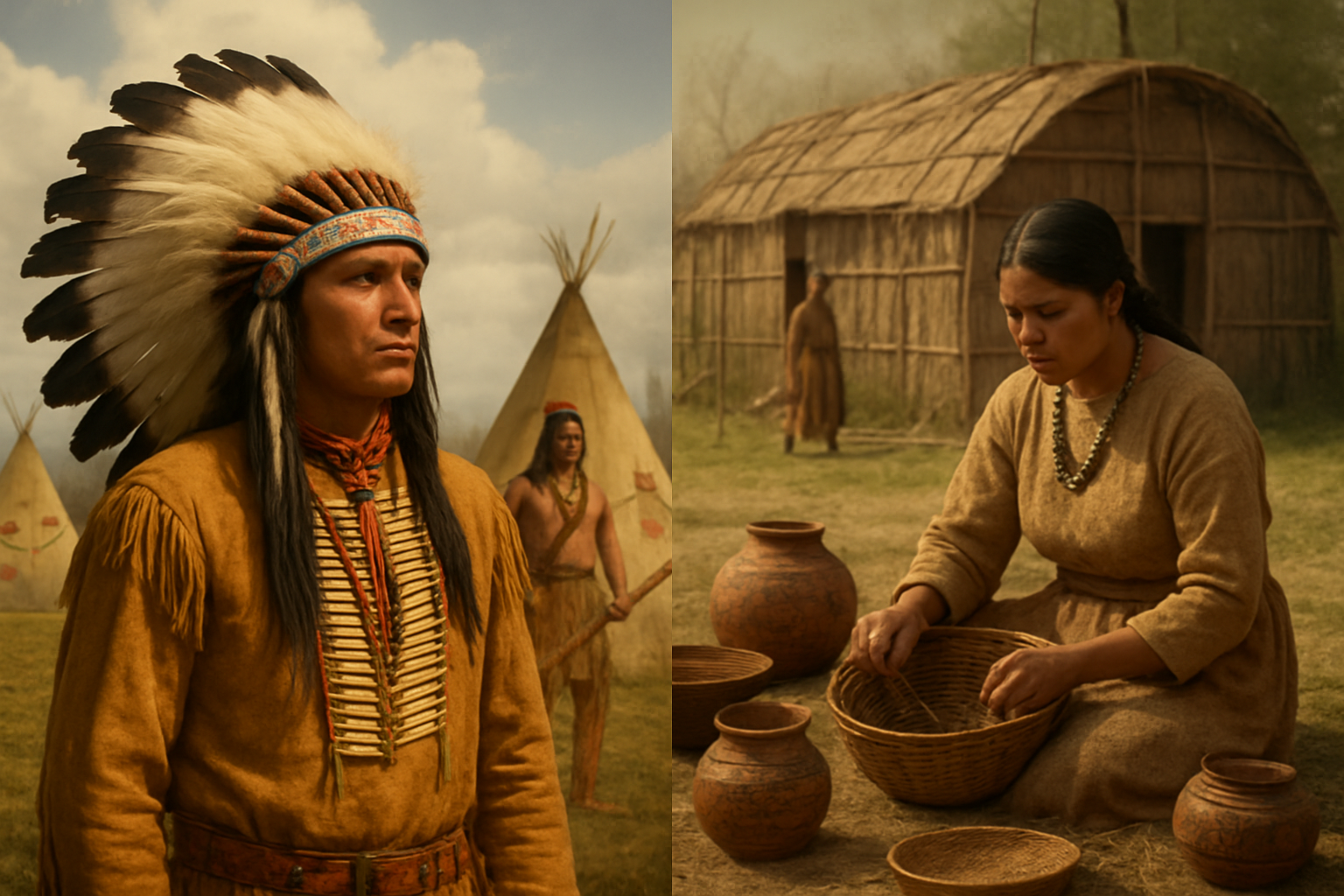
Hollywood’s portrayal of colonization and conflict between European settlers and Native American tribes consistently sanitizes brutal historical realities while promoting a sanitized narrative that makes audiences feel comfortable about devastating chapters in American history. This romanticization serves multiple purposes for the entertainment industry, but none of them benefit Native American communities or historical accuracy.
The most pervasive myth perpetuated by Hollywood involves the “noble savage” trope paired with the idea that colonization was somehow a mutual cultural exchange rather than a systematic campaign of genocide, forced displacement, and cultural destruction. Movies like “The New World” and “Pocahontas” present Native Americans as mystical beings living in perfect harmony with nature, waiting to be “civilized” by European contact. This depiction completely ignores the sophisticated political systems, advanced agricultural techniques, complex trade networks, and diverse cultural practices that existed across hundreds of distinct Native American societies.
The romanticization becomes particularly problematic when Hollywood depicts violent conflicts as honorable battles between equally matched opponents. The reality of colonization involved technological disparities, biological warfare through intentional disease transmission, systematic starvation tactics, and coordinated military campaigns designed to eliminate entire populations. Films rarely show the deliberate distribution of smallpox-infected blankets, the poisoning of water sources, or the bounty systems that paid settlers for Native American scalps, including those of children.
Instead, movies prefer to focus on individual relationships between sympathetic colonists and Native American characters, suggesting that personal connections could bridge cultural divides and resolve centuries of systematic oppression. This approach transforms complex political and economic conflicts into simple misunderstandings that could be solved through better communication and mutual respect. The “white savior” narrative emerges frequently in these stories, where European characters become advocates for Native American rights, effectively erasing the agency and resistance efforts of Native American communities themselves.
Films consistently misrepresent the scale and nature of violence during the colonial period. Battle scenes often portray conflicts as fair fights between warriors using similar weapons and tactics, when the reality involved massive technological advantages, surprise attacks on civilian populations, and deliberate targeting of women, children, and elderly community members. The strategic use of alcohol as a weapon of cultural destruction rarely appears in Hollywood narratives, despite its documented role in disrupting Native American societies and facilitating land theft through fraudulent treaties.
The romanticized portrayal extends to how movies handle the concept of resistance itself. Native American leaders who fought against colonization are often presented as tragic figures doomed to fail rather than strategic military commanders and political leaders who achieved significant victories and maintained sovereignty for extended periods. This framing suggests that resistance was ultimately futile and that assimilation was the only realistic option, a narrative that supports contemporary policies aimed at undermining Native American sovereignty and treaty rights.
Hollywood’s treatment of treaties deserves particular scrutiny. Movies typically present treaty negotiations as good-faith efforts by well-meaning government officials to find peaceful solutions, completely ignoring the documented evidence that many treaties were deliberately designed to be broken. The systematic pattern of forcing Native American communities into smaller and smaller territories, then violating those agreements when resources were discovered or land became valuable, disappears from these romanticized narratives.
The economic motivations behind colonization also get sanitized treatment in Hollywood productions. Rather than acknowledging the role of land speculation, resource extraction, and slave labor systems in driving expansion, movies present colonization as an inevitable result of population pressure and the search for religious freedom. This framing obscures how colonization functioned as an economic system designed to transfer wealth from Native American communities to European settlers and their descendants.
Religious conversion becomes another area where Hollywood promotes false narratives. Movies often show Native Americans willingly embracing Christianity after exposure to European missionaries, presenting this as spiritual enlightenment rather than cultural destruction. The reality involved forced conversion, destruction of sacred sites, prohibition of traditional ceremonies, and removal of children to boarding schools where they were punished for speaking their native languages or practicing their cultural traditions.
The romanticization of colonization and conflict creates lasting damage by making audiences feel that historical injustices were somehow natural or inevitable rather than the result of deliberate policy choices. This comfortable narrative prevents meaningful examination of how colonial policies continue to impact Native American communities today through the federal trust system, environmental racism, inadequate healthcare and education funding, and ongoing disputes over sovereignty and treaty rights.
Contemporary Hollywood productions compound these problems by applying romanticized frameworks to more recent historical events. Movies about the Indian Wars of the late 19th century, the boarding school era, or 20th-century government policies consistently minimize the severity of documented atrocities while emphasizing individual stories of friendship and understanding between Native American and non-Native characters.
The entertainment industry’s approach to Native American cultural representation demonstrates a profound misunderstanding of the diversity and specificity that characterizes indigenous communities across North America. Hollywood consistently treats Native American culture as a single, monolithic entity, mixing customs, traditions, languages, and spiritual practices from hundreds of distinct tribal nations into generic “Indian” representations that bear little resemblance to any actual Native American community.
This cultural amalgamation creates what scholars term “pan-Indian” stereotypes that flatten the rich diversity of Native American experiences into easily digestible but completely inaccurate portrayals. A typical Hollywood production might feature characters wearing Plains Indian clothing while performing Southwest pueblo ceremonies and speaking phrases from completely unrelated language families. This mixing and matching approach would be immediately recognized as offensive if applied to European cultures—imagine a movie where characters wore Scottish kilts while performing Italian folk dances and speaking phrases of Russian—yet it remains standard practice for Native American representation in Hollywood.
The problems begin with basic research failures. Production teams rarely consult with members of the specific tribal communities they claim to represent, instead relying on outdated anthropological texts, museum displays, or previous Hollywood productions for their source material. This approach perpetuates errors across multiple generations of films and television shows, creating a feedback loop where each new production draws from previous misrepresentations rather than authentic sources.
Language representation provides clear examples of these mixing errors. Movies set in specific geographical regions and time periods routinely feature characters speaking phrases from completely unrelated language families. A film supposedly depicting Lakota communities might include dialogue in Cherokee or Navajo, languages as different from Lakota as English is from Chinese. These linguistic errors aren’t minor details—they represent fundamental misunderstandings of cultural identity and historical accuracy that immediately signal to Native American audiences that the production team conducted no meaningful research.
Ceremonial practices suffer even worse treatment in Hollywood productions. Sacred ceremonies from different tribal traditions get combined into generic “Indian rituals” that often include elements from multiple spiritual systems that would never appear together in authentic contexts. Sun Dance elements from Plains tribes might be combined with vision quest practices from Southwestern communities and sweat lodge traditions from Woodland peoples, creating composite ceremonies that don’t represent any actual Native American spiritual tradition.
The misrepresentation of spiritual practices creates particular harm because it trivializes sacred traditions and spreads misinformation about their meaning and significance. Hollywood productions frequently present Native American spirituality as primitive nature worship rather than sophisticated theological systems with complex philosophical foundations. This reductive approach ignores the diversity of spiritual beliefs across Native American communities and perpetuates stereotypes about indigenous peoples being somehow less intellectually developed than other religious traditions.
Social organization and governance systems also get homogenized in Hollywood representations. Movies typically present all Native American communities as following the same basic social structures, ignoring the vast differences between matrilineal societies like the Haudenosaunee (Iroquois) confederacy, patrilineal Plains tribes, and the complex clan systems of Southwestern pueblos. These differences aren’t merely academic distinctions—they represent fundamental variations in how communities organize themselves, make decisions, and pass down cultural knowledge.
Marriage customs, coming-of-age ceremonies, and gender roles get similarly flattened into generic representations that don’t accurately reflect any specific tribal tradition. Hollywood productions often feature generic “Indian weddings” that combine elements from multiple cultural traditions, creating ceremonies that would be unfamiliar to members of any actual Native American community. These invented traditions then get accepted as authentic by audiences who have no access to accurate information about actual Native American practices.
The treatment of traditional knowledge systems reveals another layer of cultural mixing problems. Native American communities developed sophisticated understanding of agriculture, medicine, astronomy, engineering, and other fields based on their specific environmental and cultural contexts. Hollywood productions routinely mix these knowledge systems, presenting generic “Indian wisdom” that combines practical knowledge from different ecological regions and cultural contexts in ways that make no practical sense.
Traditional foods and cooking methods provide concrete examples of these representation failures. Movies might show characters in the Pacific Northwest eating foods native to the Southwest, or depict Plains communities using cooking techniques developed by Eastern Woodland peoples. These errors aren’t just historically inaccurate—they demonstrate complete ignorance of how traditional knowledge systems developed in response to specific environmental conditions and cultural needs.
The mixing of artistic traditions creates additional problems for authentic representation. Pottery styles, beadwork patterns, textile designs, and other artistic expressions are highly specific to particular communities and often carry sacred or ceremonial significance that gets lost when they’re combined into generic “Indian art” in Hollywood productions. These artistic traditions represent centuries of cultural development and innovation within specific communities, but Hollywood treats them as interchangeable decorative elements.
Trade relationships and economic systems also get homogenized in ways that obscure the complex interactions between different Native American communities. Historical trade networks connected communities across vast distances and involved sophisticated systems of exchange that varied significantly between different regions and time periods. Hollywood productions typically ignore these relationships entirely or present simplistic versions that don’t reflect the actual complexity of Native American economic systems.
The impact of these cultural mixing errors extends beyond simple historical inaccuracy. These misrepresentations affect how contemporary Native American communities are perceived and understood by the general public, creating expectations and assumptions that don’t match reality. Non-Native people often approach interactions with Native American communities expecting to encounter the generic “Indian” culture presented in Hollywood productions, leading to misunderstandings and disappointments when they encounter the actual diversity and complexity of Native American experiences.
Educational systems compound these problems by using Hollywood productions as informal teaching tools about Native American history and culture. Students who learn about Native American communities primarily through entertainment media develop fundamentally flawed understandings that persist into adulthood and influence their political attitudes, policy preferences, and personal interactions with Native American people.
The economic implications of cultural mixing extend to contemporary Native American artists and cultural practitioners who must compete with mass-produced “Indian” products that combine elements from multiple traditions into generic items marketed to non-Native consumers. These products often outsell authentic cultural items because they match public expectations shaped by Hollywood representations rather than reflecting actual Native American traditions.
The costume design and prop departments of Hollywood productions consistently demonstrate shocking ignorance about the historical accuracy and cultural significance of Native American clothing and ceremonial items. This carelessness results in anachronistic combinations that place items from different time periods, geographical regions, and cultural contexts together in ways that create historically impossible scenarios while trivializing sacred objects and traditional craftsmanship.
The most common error involves mixing clothing styles from different historical periods without regard for technological development or cultural evolution. Movies set in pre-contact periods routinely feature Native American characters wearing glass beads, metal ornaments, and woven materials that weren’t available until after European trade relationships developed. These anachronisms create false impressions about Native American technological capabilities and historical development patterns.
Glass beadwork provides a clear example of these timing errors. Before European contact, Native American communities used a variety of materials for decorative purposes, including shells, stones, bone, wood, and naturally occurring minerals. Glass beads became available through trade relationships with European settlers, and Native American artists quickly adapted these new materials into existing artistic traditions, creating new styles and techniques that combined traditional knowledge with new possibilities.
Hollywood productions regularly show pre-contact Native American characters wearing elaborate glass beadwork that wouldn’t have been possible until centuries later. This error might seem minor, but it fundamentally misrepresents how Native American communities actually lived and worked before European contact. The authentic pre-contact artistic traditions were sophisticated and beautiful in their own right, but they used different materials and techniques that reflected the resources available in specific geographical regions.
Metal ornaments and tools create similar anachronistic problems in Hollywood productions. Copper was available in some regions through natural deposits and trade networks, but iron and steel tools didn’t become available until European contact. Movies regularly show Native American characters using metal knives, axes, and decorative items in pre-contact settings, creating false impressions about technological development and trade relationships.
The treatment of textiles reveals another layer of anachronistic errors. Different Native American communities developed distinct weaving traditions based on available materials and cultural preferences. Southwest communities created sophisticated cotton and wool textiles using techniques developed over centuries, while Plains communities worked primarily with hide and fur materials until sheep and other domestic animals became available through European contact.
Hollywood productions routinely mix these textile traditions without regard for geographical or temporal accuracy. Characters in Plains settings might wear pueblo-style woven garments, or movies set in Eastern Woodland regions might feature characters in Southwest textile designs. These combinations create impossible scenarios that demonstrate complete ignorance of how textile traditions actually developed and spread between communities.
Featherwork represents perhaps the most egregious area of anachronistic and inappropriate representation in Hollywood costume design. Different bird species were available in different geographical regions, and access to specific feathers often depended on trade relationships, seasonal migration patterns, and cultural protocols governing the use of sacred materials. Eagle feathers, in particular, carry profound spiritual significance in many Native American traditions and are subject to strict protocols about who can possess them and how they can be used.
Hollywood productions regularly feature elaborate feather headdresses and decorative items that combine feathers from multiple species that wouldn’t have been available in the same geographical region. Movies set in Eastern regions might show characters wearing plains-style headdresses made from eagle feathers that would have required extensive trade relationships to obtain. These representations ignore both the practical limitations of historical trade networks and the sacred protocols governing feather use in many communities.
The war bonnet, specifically, has become a generic symbol of “Indian-ness” in Hollywood productions despite being specific to certain Plains tribes and carrying sacred significance that restricts its use to individuals who have earned the right to wear specific feather configurations. Movies routinely show any Native American character wearing war bonnets regardless of their tribal affiliation, geographical location, or historical context, treating these sacred items as generic costume pieces.
Footwear provides another area where Hollywood consistently makes anachronistic errors. Different Native American communities developed distinct moccasin styles based on available materials, environmental conditions, and cultural preferences. Plains moccasins were designed differently from those made by Eastern Woodland peoples, which were different again from footwear created by Southwest communities. These differences weren’t merely aesthetic—they reflected practical adaptations to specific environmental and cultural needs.
Hollywood productions typically use generic “Indian moccasins” that don’t accurately represent any specific tradition while often combining design elements from multiple communities in historically impossible ways. Movies set in one geographical region might feature characters wearing footwear styles developed by communities hundreds of miles away, creating combinations that demonstrate no understanding of how traditional knowledge actually developed and spread.
Jewelry and personal ornamentation create similar problems with anachronistic mixing and inappropriate representation. Native American communities developed sophisticated jewelry traditions using available materials like shells, stones, metals, and organic materials. These traditions were highly specific to particular regions and often carried spiritual or social significance that governed their use and meaning.
Hollywood costume designers regularly combine jewelry styles from different regions and time periods without regard for cultural significance or historical accuracy. Characters might wear Southwestern turquoise jewelry while dressed in Plains clothing and carrying Eastern Woodland tools, creating combinations that would never have occurred in historical contexts while trivializing the cultural significance of these artistic traditions.
The representation of ceremonial items as everyday costume pieces creates particularly serious problems for authentic Native American representation. Sacred objects like medicine bundles, pipes, masks, and ceremonial tools get used as generic props in Hollywood productions without regard for their spiritual significance or the protocols governing their appropriate use. These items aren’t costumes or decorations—they’re sacred objects that require specific permissions and ceremonies for their creation and use.
Many ceremonial items are considered so sacred that even photographing them is inappropriate, yet Hollywood productions regularly create replica versions for use as props in entertainment contexts. This practice violates fundamental principles of cultural respect while spreading misinformation about the appropriate use and significance of sacred objects. Native American communities have repeatedly asked entertainment producers to stop using ceremonial items as props, but these requests are routinely ignored in favor of visual impact and audience expectations shaped by previous misrepresentations.
The economic impact of these anachronistic representations affects contemporary Native American artists and craftspeople who must compete with mass-produced costume pieces that match public expectations shaped by Hollywood productions rather than reflecting authentic traditions. Authentic Native American clothing and jewelry require extensive time, skill, and cultural knowledge to create properly, but they often cannot compete economically with factory-produced items that copy Hollywood interpretations of Native American style.
Hair styling and body modification also suffer from anachronistic treatment in Hollywood productions. Different Native American communities had distinct traditions regarding hair care, body painting, tattooing, and other forms of personal presentation. These traditions often carried social, spiritual, or political significance that governed when and how they could be used.
Hollywood productions typically apply generic “war paint” and hair styling without regard for the specific traditions of the communities they claim to represent. Body painting traditions were highly sophisticated in many Native American communities, with specific colors, patterns, and application methods carrying different meanings for different occasions. Reducing these complex traditions to generic “war paint” demonstrates fundamental misunderstanding of their cultural significance while perpetuating stereotypes about Native American appearance and behavior.
The cumulative effect of these anachronistic representations creates a fantasy version of Native American culture that bears little resemblance to any actual historical or contemporary reality. Audiences develop expectations about Native American appearance and material culture based on these historically impossible combinations, leading to disappointment and confusion when they encounter authentic Native American people and cultural expressions that don’t match Hollywood stereotypes.
These misrepresentations also affect how Native American people are expected to present themselves in contemporary contexts. Non-Native people often expect Native American individuals to look and dress like Hollywood characters, creating pressure to conform to stereotypes or face questions about their authenticity. This expectation particularly affects urban Native Americans and those from communities whose traditional clothing doesn’t match Hollywood stereotypes, creating additional barriers to authentic cultural expression and identity.
The use of sacred and ceremonial items as costume pieces in Hollywood productions also raises serious legal and ethical questions about cultural appropriation and religious freedom. Many of the items used as props in entertainment contexts are protected by federal laws governing the possession and use of sacred objects, yet entertainment companies routinely create replica versions without consulting with appropriate tribal authorities or following established protocols for their representation.
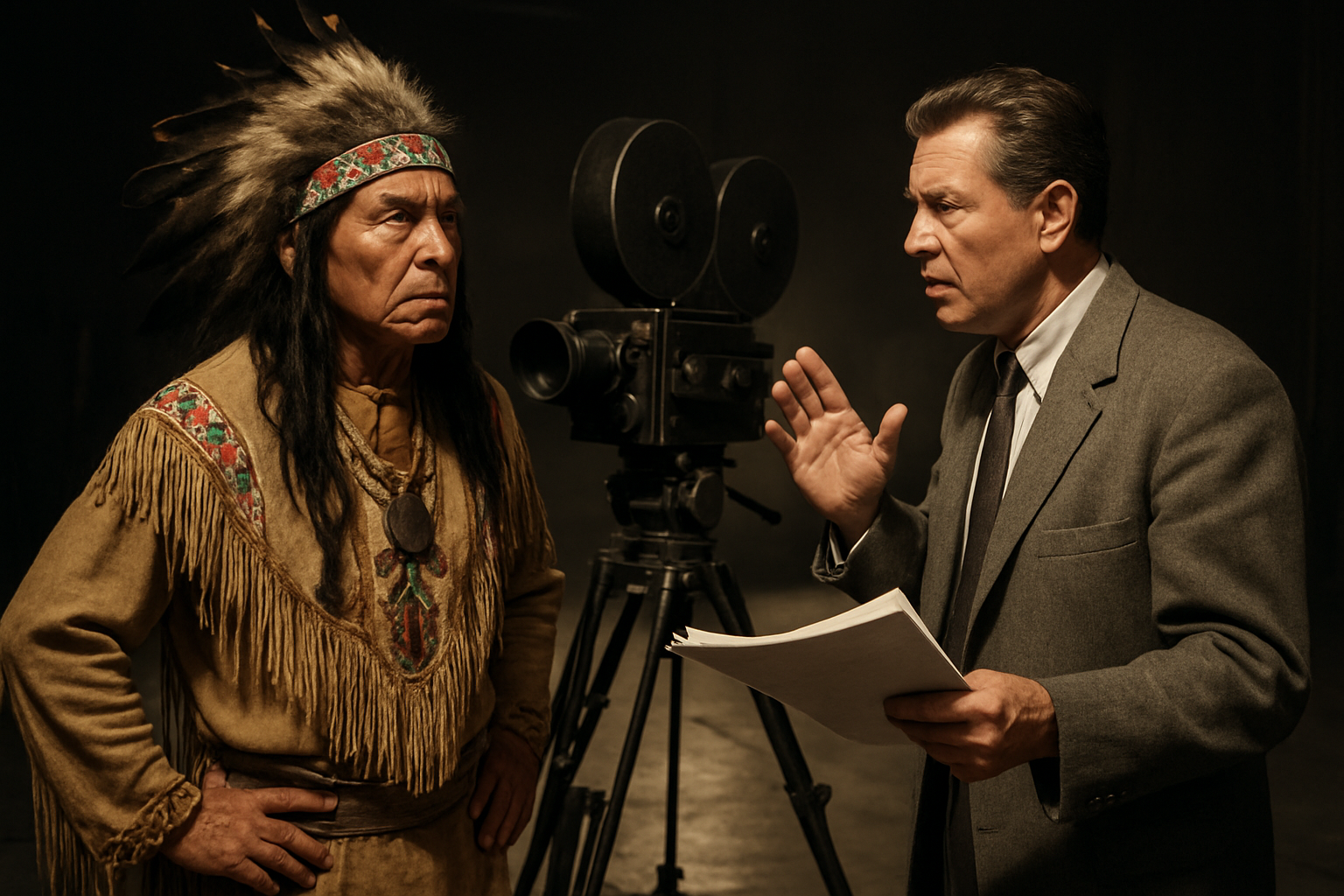
Hollywood’s most glaring linguistic offense against Native American representation lies in its persistent use of fabricated “Indian speak” – a grammatically broken, pidgin-style dialect that bears no resemblance to any actual Indigenous language. This fictional dialect, characterized by omitted articles (“You want horse?”), simplified sentence structures, and artificially formal vocabulary, has become so deeply embedded in popular culture that many Americans believe this is how Native peoples actually communicate.
The reality couldn’t be more different. North America is home to over 300 distinct Indigenous languages, each with its own complex grammatical systems, rich vocabulary, and sophisticated linguistic structures. Languages like Navajo (Diné bizaad), Cherokee (ᏣᎳᎩ ᎦᏬᏂᎯᏍᏗ), and Lakota represent thousands of years of linguistic evolution, containing grammatical features that don’t exist in European languages and expressing concepts that English simply cannot capture with the same precision.
When Hollywood reduces this incredible linguistic diversity to a one-size-fits-all broken English, it commits multiple acts of cultural violence. First, it erases the distinct identities of hundreds of tribal nations, suggesting that all Native peoples are essentially the same. Second, it perpetuates the harmful stereotype that Indigenous peoples are intellectually inferior, unable to master “proper” English despite many being multilingual. Third, it actively works against language preservation efforts by normalizing linguistic stereotypes rather than celebrating authentic Indigenous languages.
Consider how different the cinematic landscape would be if filmmakers approached Native languages with the same respect they show for European languages. When depicting French characters, Hollywood doesn’t create a fake “French speak” – they either use actual French or hire actors who can deliver authentic French-accented English. The same courtesy has never been extended to Indigenous characters, revealing deep-seated prejudices about which languages and cultures deserve respect.
The creation of generic “Indian speak” traces back to early Hollywood westerns where white actors in redface needed a way to sound “exotic” without actually learning Indigenous languages. This linguistic shortcut became so entrenched that it persisted even as the film industry evolved in other areas. Today, actors portraying Native characters still receive scripts peppered with this artificial dialect, and many don’t question its authenticity because it matches their preconceived notions of how Native people should sound.
This linguistic misrepresentation extends beyond entertainment into educational materials, children’s books, and even museum exhibits. Young people grow up hearing this fake dialect and internalize it as authentic, making it harder for them to recognize and appreciate actual Indigenous languages when they encounter them. The perpetuation of generic “Indian speak” actively undermines educational efforts to teach about linguistic diversity and cultural authenticity.
Real Indigenous languages possess grammatical complexities that would challenge any linguist. Navajo, for instance, contains verb forms that simultaneously indicate tense, aspect, mood, and the speaker’s relationship to the information being conveyed. A single Navajo verb can express concepts that require entire sentences in English. Cherokee uses a unique syllabary writing system invented by Sequoyah, demonstrating the innovative and adaptive nature of Indigenous intellectual traditions. These languages aren’t primitive or simplified – they’re sophisticated communication systems that have sustained communities for millennia.
When films do attempt to include actual Indigenous languages, the results are often equally problematic due to poor research and execution. Actors may memorize phonetically transcribed lines without understanding the meaning, leading to mispronunciations that change intended meanings entirely. In some languages, tonal differences or slight pronunciation variations can transform a respectful greeting into an insult or nonsensical phrase.
The economic implications of this linguistic misrepresentation are significant. Native actors who are fluent speakers of their tribal languages find themselves competing for roles that require them to speak in fake dialects that bear no resemblance to their actual linguistic heritage. This creates a perverse situation where authentic speakers are disadvantaged compared to actors who can effectively mimic the Hollywood-created stereotype.
Language revitalization efforts in Native communities face additional challenges when popular media continues to promote linguistic stereotypes. Elders working to teach traditional languages to younger generations must compete against the constant reinforcement of fake “Indian speak” in movies and television. Children who grow up seeing these portrayals may feel embarrassed about their actual heritage languages, which sound nothing like the Hollywood version they’ve been conditioned to expect.
The persistence of generic “Indian speak” also reflects broader patterns of cultural gatekeeping in Hollywood. The entertainment industry has historically felt comfortable making decisions about Native American representation without meaningful input from Native communities themselves. This extends to linguistic choices, where non-Native writers and directors feel qualified to invent or modify Indigenous languages without consulting actual speakers or linguistic experts.
Some progress has been made in recent years, with productions like “Prey” (2022) offering a Comanche language version and hiring Native speakers as language coaches. However, these examples remain rare exceptions rather than industry standards. The vast majority of Hollywood productions featuring Native characters continue to rely on linguistic stereotypes that have remained virtually unchanged for decades.
The digital age has created new opportunities for authentic Indigenous language representation, but also new challenges. Social media platforms and streaming services can now distribute content in Indigenous languages to global audiences, but they can also spread linguistic stereotypes more rapidly and widely than ever before. The responsibility to demand authentic representation now extends to audiences who have unprecedented access to information about actual Indigenous languages and cultures.
Hollywood’s treatment of Native American spiritual concepts represents perhaps the most egregious form of cultural disrespect in the realm of language misrepresentation. Sacred terms, ceremonial practices, and spiritual beliefs that hold profound meaning within Indigenous communities are routinely mistranslated, oversimplified, or completely fabricated for dramatic effect. This practice not only insults Native communities but also spreads dangerous misinformation about Indigenous spirituality that can persist for generations.
The concept of the “Great Spirit,” ubiquitous in Hollywood westerns, exemplifies this problem. While some tribes do have concepts that could be loosely translated this way, the term has become a catch-all that erases the rich diversity of Indigenous spiritual beliefs. The Lakota concept of Wakan Tanka, the Ojibwe understanding of Gitche Manido, and the Cherokee reverence for the Creator represent distinct theological frameworks that cannot be reduced to a simple English translation. Each carries specific cultural contexts, ceremonial implications, and community relationships that Hollywood consistently ignores.
When films attempt to portray Native spiritual practices, they often merge elements from different tribal traditions into generic “Indian ceremonies” that would be unrecognizable to actual practitioners. Sweat lodges, vision quests, and pipe ceremonies become props for advancing plot points rather than sacred practices deserving respectful treatment. The language used to describe these ceremonies in films rarely reflects how practitioners actually discuss their spiritual lives, instead relying on mystical-sounding phrases designed to seem exotic to non-Native audiences.
Sacred plants like sage, sweetgrass, cedar, and tobacco hold specific spiritual significance that varies among different tribes. Hollywood typically reduces this complexity to vague references about “sacred smoke” or “medicine plants” without acknowledging the protocols, prayers, and cultural knowledge required for their proper use. When actors burn sage on screen while delivering made-up spiritual dialogue, they’re not just getting the words wrong – they’re misrepresenting entire systems of spiritual knowledge that Indigenous communities have carefully maintained for centuries.
The translation of spiritual concepts becomes particularly problematic when films attempt to explain Indigenous worldviews to non-Native audiences. Complex philosophical concepts about the relationship between humans and nature, the interconnectedness of all beings, and the responsibilities that come with spiritual knowledge get reduced to New Age platitudes that bear little resemblance to actual Indigenous teachings. These oversimplified translations often reinforce stereotypes about Native peoples being “mystically connected to nature” while ignoring the sophisticated theological and philosophical frameworks that actually guide Indigenous spiritual practices.
Dreams, visions, and spiritual experiences hold specific meanings within different tribal contexts, often involving complex interpretive traditions and community guidance. Hollywood typically portrays these experiences as straightforward prophetic visions that any character can easily understand, eliminating the cultural knowledge and community wisdom required for proper interpretation. When films show Native characters receiving spiritual visions and immediately understanding their meaning without consultation or ceremony, they misrepresent how spiritual guidance actually functions within Indigenous communities.
The misuse of sacred names and titles represents another form of spiritual appropriation through language. Terms like “medicine man,” “shaman,” and “chief” are applied generically without regard for their specific meanings within particular tribal contexts. Each Indigenous community has its own terms for spiritual leaders, healers, and ceremonial practitioners, along with specific protocols for how these individuals should be addressed and when their titles should be used. Hollywood’s casual application of these terms shows a fundamental misunderstanding of Indigenous social and spiritual structures.
Prayer languages and ceremonial speech patterns carry special significance in many Indigenous traditions, often involving archaic forms, specific rhythmic patterns, or sacred vocabulary that differs from everyday conversation. When films attempt to portray Native prayers or ceremonies, they typically use standard English delivered in a solemn tone rather than reflecting the actual linguistic features of ceremonial speech. This approach not only fails to capture the beauty and power of Indigenous prayer traditions but also suggests that these practices are less sophisticated than they actually are.
The concept of spiritual power or medicine gets consistently mistranslated in Hollywood productions. Different tribes have distinct understandings of spiritual energy, healing practices, and the sources of spiritual authority. The Hopi concept of spiritual power differs significantly from Ojibwe understandings, which in turn differ from Cherokee beliefs. Hollywood typically presents a generic version of “Indian magic” that combines New Age concepts with fantasy elements, creating fictional spiritual practices that don’t exist in any real Indigenous tradition.
Sacred geography and the spiritual significance of specific places get lost in translation when films attempt to portray Indigenous connections to land. Mountains, rivers, burial grounds, and ceremonial sites hold specific spiritual meanings that are often expressed through place names, origin stories, and ceremonial protocols. When Hollywood reduces these complex relationships to simple statements about land being “sacred” or “spiritual,” it fails to convey the depth of Indigenous geographical knowledge and the specific responsibilities that come with caring for sacred places.
The treatment of death, afterlife concepts, and ancestor relationships in Hollywood films often completely contradicts actual Indigenous beliefs about these topics. Different tribes have distinct understandings of what happens after death, how ancestors continue to influence the living, and the proper protocols for discussing deceased community members. Films that show Native characters casually discussing dead relatives or portraying generic “spirit world” concepts demonstrate a fundamental misunderstanding of Indigenous beliefs about death and spirituality.
Healing practices and traditional medicine represent another area where translation problems create serious misrepresentation. Indigenous healing involves complex systems of plant knowledge, ceremonial protocols, and community relationships that cannot be reduced to simple “folk remedies” or “natural medicine.” When films show Native healers using mysterious plants to create instant cures, they’re perpetuating harmful stereotypes about Indigenous medical practices while ignoring the sophisticated knowledge systems that actually guide traditional healing.
The role of storytelling in Indigenous spiritual traditions gets consistently misrepresented through poor translation and cultural misunderstanding. Sacred stories, teaching tales, and ceremonial narratives serve specific functions within Indigenous communities, often involving seasonal timing, appropriate audiences, and proper protocols for sharing. Hollywood typically treats all Indigenous stories as entertainment suitable for any audience, missing the educational, spiritual, and cultural functions these narratives actually serve.
One of the most persistent and insulting aspects of Hollywood’s linguistic misrepresentation involves contemporary Native American characters who inexplicably speak in the same broken English dialect that films have used to portray Indigenous peoples for nearly a century. This practice reveals the entertainment industry’s refusal to acknowledge that Native Americans are living, evolving communities rather than historical artifacts frozen in time.
Modern Native Americans are lawyers, doctors, teachers, engineers, artists, and professionals in every field imaginable. Many are multilingual, speaking their heritage languages alongside fluent English and often additional languages. They use contemporary slang, participate in online culture, and communicate in ways that reflect their education, regional dialects, and personal experiences – just like any other Americans. Yet Hollywood continues to portray contemporary Native characters as speaking in grammatically broken English that no real person would use in the 21st century.
This linguistic anachronism becomes particularly jarring in films set in modern times. When a Native American character who supposedly attended college speaks without articles or uses overly formal constructions that no contemporary speaker would employ, it immediately signals to audiences that this character is fundamentally different from “normal” Americans. The effect is dehumanizing, suggesting that Native people exist outside of contemporary society and haven’t participated in the same cultural and linguistic evolution as everyone else.
The persistence of this outdated linguistic portrayal reflects deeper assumptions about Indigenous identity and authenticity. Many filmmakers seem to believe that Native characters must sound “traditional” to be recognizably Indigenous, as if speaking standard English would somehow make them less authentically Native. This perspective ignores the reality that language use doesn’t determine Indigenous identity and that many Native people speak English as their first or only language due to historical forces beyond their control.
Language revitalization efforts in Native communities often focus on helping young people reconnect with their heritage languages, but this doesn’t mean that those who speak English as their primary language are somehow less Indigenous. Many Native Americans grew up in urban areas, were raised by families who had already lost their traditional languages, or attended schools where English was the only language permitted. Their linguistic backgrounds reflect complex historical realities, not personal choices or cultural deficiencies.
When Hollywood forces contemporary Native characters to speak in artificial pidgin, it perpetuates harmful stereotypes about Indigenous intelligence and education. The suggestion that Native people cannot master standard English grammar contradicts the reality of Indigenous professionals, scholars, and leaders who demonstrate exceptional linguistic skills in multiple languages. This representation actively undermines efforts to combat discrimination by reinforcing outdated stereotypes about Native American capabilities.
The economic consequences of this linguistic misrepresentation affect Native American actors who find themselves pressured to adopt fake accents and artificial speech patterns to be considered for Indigenous roles. Actors who speak with their natural regional dialects – whether that’s urban, rural, or influenced by specific tribal language patterns – may be told they don’t “sound Indian enough” for casting directors whose expectations have been shaped by decades of Hollywood stereotypes.
Regional variations in Native American English often reflect the influence of heritage languages on pronunciation, rhythm, and word choice, creating authentic linguistic patterns that differ significantly from Hollywood’s generic “Indian speak.” An Ojibwe speaker from Minnesota might have different English language patterns than a Navajo speaker from Arizona, and both would differ from a Cherokee speaker from Oklahoma. These authentic regional variations are linguistically interesting and culturally significant, but they’re typically ignored in favor of the standardized Hollywood version that doesn’t actually exist anywhere in real Native communities.
Code-switching – the practice of alternating between languages or dialects depending on social context – is common among many Native Americans who navigate between their tribal communities and mainstream American society. A person might speak their heritage language at home, standard English at work, and use specific cultural expressions when talking with other Native people. This linguistic flexibility demonstrates sophistication and cultural competence, but Hollywood rarely portrays this reality, instead suggesting that Native people are linguistically limited to one artificial dialect.
Educational achievements in Native communities have grown significantly over recent decades, with increasing numbers of Indigenous people earning college degrees, advanced degrees, and professional certifications. These educational experiences naturally influence how people speak and express themselves, but Hollywood continues to portray all Native characters as speaking in the same supposedly “traditional” way, regardless of their educational backgrounds or professional contexts.
The digital age has created new forms of communication that Native Americans participate in just like everyone else. Social media, text messaging, and online gaming have generated new linguistic patterns and vocabulary that contemporary Native people use alongside everyone else in their generation. When films ignore these contemporary communication patterns, they suggest that Native people exist outside of modern technological culture.
Intergenerational differences in language use within Native communities reflect broader patterns found in all American families, where older and younger generations may have different speech patterns, vocabulary preferences, and communication styles. Hollywood typically portrays all Native characters as speaking identically, regardless of their age, education, or social context, missing opportunities to show realistic family dynamics and generational change.
Professional contexts require specific linguistic skills and vocabulary, whether in medicine, law, education, or business. Native Americans working in these fields develop and use professional language just like their colleagues from other backgrounds. When films show Native doctors, lawyers, or teachers speaking in broken pidgin, they create a cognitive dissonance that undermines the characters’ credibility and reinforces stereotypes about Indigenous capabilities.
Military service has been an important part of many Native American families’ experiences, with Indigenous people serving in the U.S. armed forces at higher rates than the general population. Veterans from these communities often carry military linguistic influences in their speech patterns, along with experiences from diverse military communities that shape their communication styles. Hollywood rarely acknowledges this aspect of Native American experience, instead defaulting to ahistorical linguistic stereotypes.
Urban Native communities represent a significant portion of the Indigenous population, with many Native people living in cities and participating fully in urban culture. Their speech patterns often reflect their urban environments while maintaining connections to their tribal identities. This urban Indigenous experience challenges Hollywood’s assumptions about what Native Americans should sound like and where they should live.
The entertainment industry’s consistent failure to consult with Native language experts during film and television production represents a fundamental disrespect for Indigenous communities and professional linguistic expertise. This oversight isn’t simply a matter of cutting costs or saving time – it reflects systemic attitudes that Indigenous languages and cultures don’t deserve the same professional attention given to European languages or other cultural elements in major productions.
When Hollywood produces films featuring French characters, studios routinely hire French language consultants, dialect coaches, and cultural advisors to ensure authenticity. The same standard applies to productions featuring Italian, German, Spanish, or virtually any other European language. However, when Native American languages appear in films, studios often rely on untrained translators, online resources, or simply invent dialogue that sounds appropriately “exotic” to non-Native ears.
Professional Indigenous linguists exist throughout North America, many holding advanced degrees from prestigious universities and specializing in specific tribal languages. These experts possess not only fluency in their heritage languages but also formal training in linguistics, phonology, and translation theory. They understand the grammatical complexities, cultural contexts, and proper protocols for using their languages in public forums. Their expertise rivals that of any European language specialist, yet Hollywood consistently overlooks their availability and qualifications.
The process of properly translating scripts into Indigenous languages requires more than simple word-for-word substitution. Cultural concepts that don’t exist in English need appropriate expressions, spiritual or ceremonial language requires proper protocols, and historical contexts must be accurately reflected. Professional language consultants can navigate these complexities while ensuring that translated dialogue serves both the artistic needs of the production and the cultural standards of the community.
Financial considerations often influence studios’ decisions to skip professional language consultation, but this reasoning reveals skewed priorities about production values. Studios will spend millions on special effects, elaborate costumes, and extensive location scouting, but balk at the relatively modest costs of hiring qualified language experts. This budget allocation demonstrates what the industry truly values and considers worthy of investment.
The technical aspects of recording and coaching Indigenous languages require specialized knowledge that general dialect coaches typically don’t possess. Many Native languages include sounds that don’t exist in English, tonal patterns that affect meaning, and rhythmic features that influence natural delivery. Without proper coaching, even well-intentioned actors will mispronounce words in ways that change meanings or sound unnatural to native speakers.
Documentation and preservation efforts represent another crucial reason for involving language experts in productions. Many Indigenous languages are endangered, with few remaining fluent speakers. Film and television productions represent opportunities to record and preserve these languages while creating positive associations with their use. However, poor execution can actually damage preservation efforts by creating negative associations or spreading incorrect information about endangered languages.
The relationship between Indigenous communities and their languages often involves sacred or sensitive elements that outsiders cannot understand without proper guidance. Some words or phrases may be inappropriate for certain contexts, specific protocols may govern their use, or community permissions might be required before incorporating certain linguistic elements into entertainment products. Language experts can navigate these cultural considerations while helping productions avoid serious cultural violations.
Training actors to deliver Indigenous language dialogue authentically requires specialized pedagogical approaches that differ from European language instruction. Many Native languages use grammatical structures and sound systems that don’t exist in European languages, requiring coaching techniques specifically designed for these linguistic features. Generalist dialect coaches, however well-meaning, simply don’t possess the specialized knowledge needed for effective Indigenous language instruction.
The proliferation of online resources and translation tools has created a false sense that professional consultation is unnecessary for Indigenous languages. However, automated translation tools are notoriously unreliable for Native languages, often producing gibberish or culturally inappropriate content. Online dictionaries may lack crucial context or cultural information, leading to misuse of words or phrases. Professional consultants can evaluate and correct these technological shortcomings while providing cultural guidance that no digital tool can offer.
Legal and ethical considerations also support the use of qualified language consultants. Many Indigenous communities have formal protocols for the commercial use of their languages, particularly in entertainment media that will reach broad audiences. Professional consultants can help productions navigate these protocols while ensuring that communities receive appropriate recognition and compensation for the use of their linguistic heritage.
The casting process itself benefits from language expert involvement, particularly when productions seek actors who can authentically deliver Indigenous language dialogue. Many Native actors are fluent in their heritage languages, but their proficiency may be in specific dialects or varieties that don’t match the linguistic needs of particular scripts. Language experts can assess actors’ linguistic qualifications and provide appropriate coaching to bridge any gaps.
Post-production considerations often require ongoing language consultation to ensure that editing, dubbing, and sound mixing preserve the authenticity of Indigenous language elements. Pronunciation patterns may be altered during audio processing, subtitles may require cultural context for accurate translation, and distribution in different markets may raise additional linguistic considerations that require expert guidance.
The missed opportunities for authentic cultural exchange represent perhaps the greatest cost of failing to consult language experts. Productions that work closely with Indigenous linguists often discover rich cultural elements that enhance their storytelling in unexpected ways. Language experts can suggest authentic cultural details, explain historical contexts, and identify narrative opportunities that improve the overall quality of productions while building positive relationships with Indigenous communities.
International distribution increasingly requires accurate cultural representation as global audiences become more sophisticated about Indigenous issues. Films that feature poorly executed Indigenous language elements may face criticism in international markets where audiences are familiar with proper linguistic representation standards. Professional language consultation helps productions meet these global standards while avoiding international embarrassment.
The emergence of Indigenous-led production companies and streaming platforms has begun to change industry standards around language consultation. These companies routinely employ qualified language experts and demonstrate that professional linguistic consultation is both feasible and beneficial for production quality. Their success challenges the entertainment industry’s assumptions about the necessity and value of proper Indigenous language representation.
Educational partnerships between production companies and tribal colleges or universities can provide ongoing relationships that benefit both the entertainment industry and Indigenous language preservation efforts. These partnerships can supply expert consultation while supporting academic programs and providing practical training opportunities for Native language specialists.
The generational impact of proper language representation in media cannot be overstated. Young Indigenous people who see their languages portrayed accurately and respectfully in mainstream entertainment develop stronger connections to their linguistic heritage. Conversely, poor representation can create shame or confusion about the value and authenticity of Indigenous languages, potentially discouraging language learning and preservation efforts.
Quality control measures used for other production elements could easily be applied to Indigenous language content if studios prioritized linguistic accuracy. The same attention to detail applied to historical costumes, period-appropriate props, or architectural authenticity could ensure that Indigenous languages receive professional treatment that meets contemporary standards for cultural representation.
The technological tools available for language consultation have improved dramatically in recent years, making it easier and more cost-effective to involve qualified experts in productions. Video conferencing allows remote consultation, digital recording enables precise pronunciation coaching, and cloud-based collaboration tools facilitate script development and translation review. These technological advances eliminate many practical barriers that may have historically limited language consultation options.
Professional networks within Indigenous linguistics communities can help productions identify appropriate experts for specific languages and regions. Organizations like the Indigenous Language Institute, tribal cultural departments, and university linguistics programs maintain databases of qualified consultants who can provide specialized expertise for entertainment productions.
The reputational benefits of working with qualified language experts extend beyond individual productions to influence industry perceptions and relationships with Indigenous communities. Studios and production companies that consistently employ professional language consultation develop positive reputations within Native communities, potentially leading to better access to stories, locations, and talent for future projects.
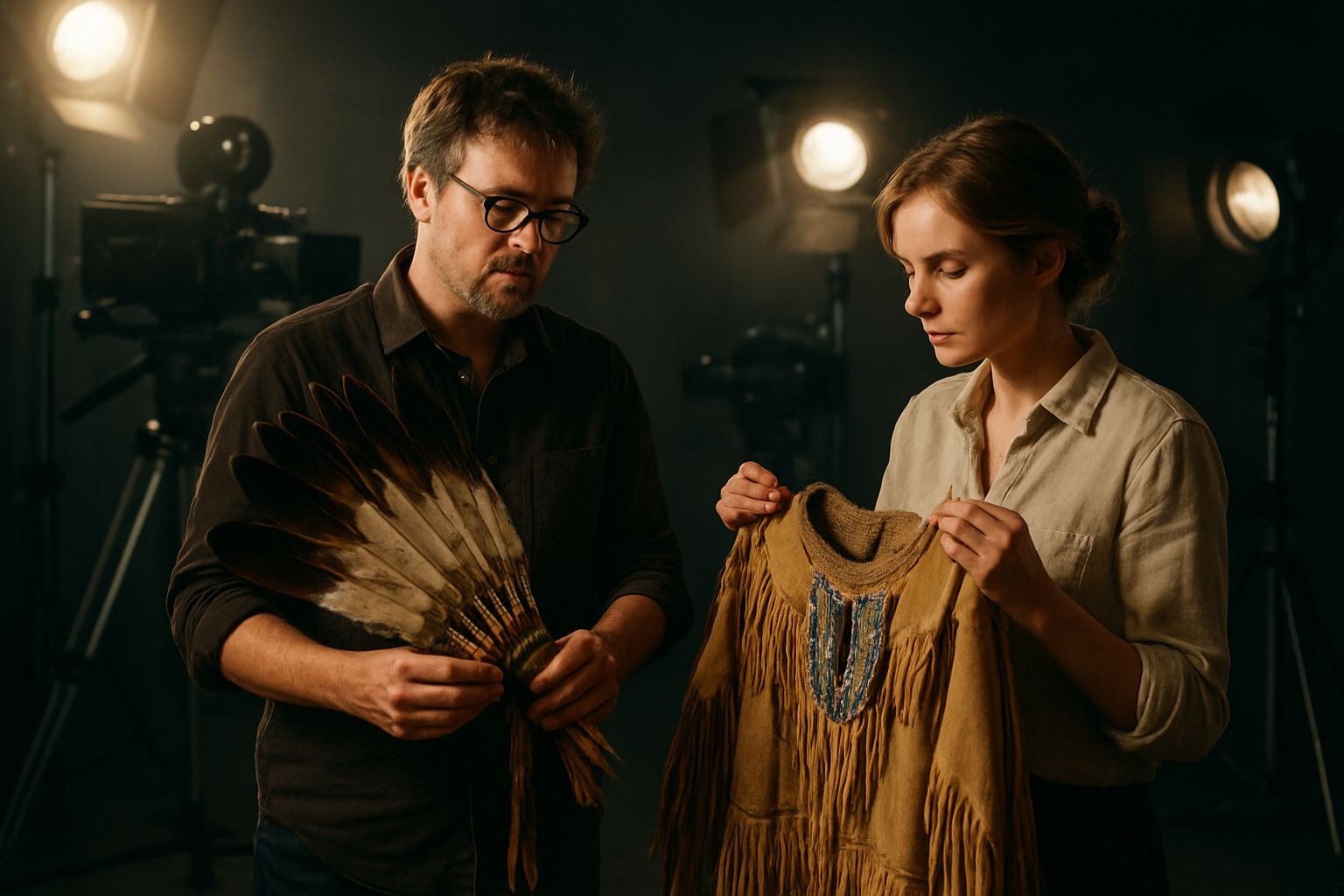
Hollywood’s treatment of sacred Native American ceremonies represents one of the most problematic aspects of Native American cultural appropriation in movies. These deeply spiritual practices, passed down through generations and central to tribal identity, get transformed into entertainment spectacles that strip away their meaning and significance.
The film industry consistently portrays ceremonial practices like sweat lodges, vision quests, and sun dances as exotic rituals designed to thrill audiences rather than sacred spiritual experiences. Directors often focus on the visual drama—drums beating, participants in traditional dress, smoke and fire—while completely ignoring the profound spiritual and cultural context that makes these ceremonies meaningful to Native communities.
Take the portrayal of vision quests in mainstream films. These sacred rites of passage, which involve fasting, isolation, and spiritual communion with the natural world, get reduced to dramatic sequences where non-Native protagonists somehow achieve instant enlightenment or supernatural powers. The actual spiritual preparation, community support, and lifelong commitment these ceremonies require get glossed over in favor of quick character development and plot advancement.
The sweat lodge ceremony faces similar misrepresentation. Films show these sacred purification rituals as mystical experiences where participants receive visions or magical abilities. The reality involves careful preparation by trained spiritual leaders, specific protocols for entry and exit, prayers passed down through generations, and deep respect for the ceremony’s purpose. Movies strip away this context, presenting sweat lodges as generic spiritual experiences anyone can access.
Powwows suffer particularly egregious misrepresentation. These social gatherings, which serve as important community events for celebration, healing, and cultural preservation, get portrayed as primitive war dances or exotic entertainment. The specific meanings behind different dance styles, the importance of regalia, and the social protocols governing these events disappear in favor of stereotypical imagery that reinforces outdated Hollywood tropes.
The sun dance ceremony, one of the most sacred practices among Plains tribes, has been exploited repeatedly for its visual impact. Films focus on the physical aspects—piercing and dancing—while ignoring the years of preparation, spiritual significance, and community commitment these ceremonies require. The portrayal often emphasizes pain and endurance rather than the spiritual renewal and community solidarity these ceremonies provide.
Native American representation in Hollywood becomes particularly harmful when filmmakers present these sacred practices as accessible to anyone. Movies frequently show non-Native characters participating in or even leading ceremonies, suggesting that spiritual practices developed over centuries can be casually adopted without understanding their cultural context or receiving proper instruction from tribal elders.
The timing and seasonal aspects of ceremonies get routinely ignored. Many Native American spiritual practices align with natural cycles—planting seasons, harvests, winter solstices. Films place these ceremonies wherever convenient for plot development, disconnecting them from their environmental and seasonal significance.
Movies also fail to show the community preparation that sacred ceremonies require. Real ceremonial practices involve extensive planning by tribal members, gathering of specific materials, preparation of traditional foods, and coordination among families and clans. Hollywood reduces these complex community efforts to individual spiritual journeys, missing the collaborative nature that makes these practices meaningful.
The role of women in ceremonial practices gets consistently misrepresented or ignored entirely. Many tribes have specific ceremonies led by women, with distinct protocols and spiritual roles that differ from men’s practices. Films either exclude women from ceremonial scenes or place them in inappropriate roles that contradict traditional protocols.
Language plays a critical role in authentic ceremonial practices. Specific prayers, songs, and spoken elements use tribal languages with precise meanings and proper pronunciation requirements. Movies either eliminate this linguistic component entirely or use generic “Native American” dialogue that doesn’t correspond to any actual tribal language or ceremonial tradition.
The spiritual preparation required for ceremonial participation gets overlooked in favor of immediate dramatic impact. Real ceremonies often require participants to prepare for weeks or months through fasting, specific behaviors, or spiritual guidance from elders. Films skip this preparation, presenting ceremonies as spontaneous events that anyone can join without proper instruction or spiritual readiness.
The entertainment industry’s casual use of sacred Native American symbols as decorative props represents a profound misunderstanding of indigenous spiritual beliefs and practices. These symbols, which carry deep religious significance and often require specific ceremonial contexts for proper use, get reduced to aesthetic elements that directors use to create “authentic” Native American atmospheres.
Dream catchers provide the most obvious example of this appropriation. Originally created by the Ojibwe people as protective talismans for children, dream catchers carry specific cultural meanings and traditional construction methods. Hollywood films use them as generic Native American decorations, hanging them in any scene requiring “Indian” atmosphere without regard for their sacred purpose or proper tribal context.
The misuse extends beyond simple placement. Films often show oversized, commercially-manufactured dream catchers made with inappropriate materials and colors that bear no resemblance to traditional construction methods. The spiritual beliefs surrounding dream catchers—their role in filtering dreams, protecting sleepers, and connecting individuals to tribal spiritual traditions—get completely ignored in favor of visual impact.
Medicine wheels suffer similar treatment as decorative elements rather than sacred symbols. These stone structures, which represent the cyclical nature of life and serve as focal points for prayer and ceremony, appear in films as simple set decorations. Directors place them in inappropriate contexts without understanding their spiritual significance or the specific tribal traditions they represent.
Feathers, particularly eagle feathers, face constant misuse as costume accessories and prop decorations. In many tribal traditions, eagle feathers must be earned through specific acts of courage or spiritual achievement. They carry profound ceremonial significance and require proper care and handling protocols. Movies treat them as generic “Indian” costume elements, often using fake feathers or inappropriately acquired real ones without understanding their sacred nature.
Sacred pipe imagery gets reduced to stereotypical props in countless films. The ceremonial pipes used in traditional Native American spiritual practices represent direct communication with the Creator and require specific protocols for handling, smoking, and storage. Hollywood presents them as simple tobacco pipes or exotic artifacts, stripping away their spiritual significance and reducing them to visual shorthand for Native American culture.
Tribal symbols and clan markings appear frequently as decorative elements on clothing, weapons, and set pieces without regard for their specific meanings or appropriate usage. Many of these symbols carry religious significance or represent specific family lineages, spiritual powers, or ceremonial roles within tribal communities. Films use them as generic Native American imagery, often combining symbols from different tribes inappropriately.
The four directions concept, central to many Native American spiritual traditions, gets simplified into decorative color schemes or basic directional markers. The complex spiritual teachings associated with east, south, west, and north—including their connections to seasons, life stages, spiritual powers, and ceremonial practices—disappear in favor of simplified visual representations.
Sacred colors receive similar treatment as aesthetic choices rather than spiritual symbols. Many tribal traditions assign specific meanings to colors based on spiritual teachings, ceremonial requirements, or clan affiliations. Movies use these colors decoratively without understanding their religious significance or appropriate contextual usage.
Animal spirits and totems become decorative motifs rather than representations of complex spiritual relationships between humans and the natural world. The specific teachings, responsibilities, and spiritual connections associated with different animal spirits get reduced to simple imagery used for visual appeal rather than authentic cultural representation.
Geometric patterns from tribal art traditions appear frequently as decorative elements on costumes, sets, and props. These patterns often carry specific meanings related to spiritual beliefs, historical events, or family histories. Films use them as generic “Indian” designs without understanding their cultural significance or appropriate usage contexts.
The sacred number systems important to many tribes—particularly the number four and its multiples—get ignored in favor of dramatic visual arrangements. Traditional Native American spiritual practices often incorporate specific numerical patterns in ceremonies, prayers, and symbolic representations. Hollywood decorative choices typically ignore these spiritual mathematics in favor of visually appealing arrangements.
Seasonal and ceremonial timing considerations disappear when sacred symbols get used purely for decoration. Many Native American symbols carry specific seasonal associations or ceremonial timing requirements. Films place them in inappropriate temporal contexts, disconnecting them from their proper spiritual and cultural meanings.
The regional and tribal specificity of symbols gets completely ignored. Sacred symbols often belong to specific tribes, clans, or regions and shouldn’t be mixed randomly or used outside their proper cultural contexts. Movies create generic “Native American” decorative schemes that combine symbols from different tribes inappropriately, creating historically and culturally inaccurate representations.
Hollywood’s unauthorized appropriation of traditional Native American stories represents a form of intellectual property theft that goes beyond simple cultural insensitivity. These stories, passed down through generations within specific tribal communities, often carry sacred teachings, historical knowledge, and spiritual guidance that tribal elders have protected and preserved for centuries.
The entertainment industry regularly mines Native American oral traditions for plot elements without seeking permission from the tribes that own these stories. Filmmakers extract compelling narrative elements—creation myths, hero journeys, supernatural encounters—while stripping away the cultural context that gives these stories their meaning and power within tribal communities.
Creation stories face particularly egregious misrepresentation. These foundational narratives explain how tribes understand their place in the world, their relationships with natural forces, and their spiritual obligations to their communities and environments. Hollywood transforms these sacred teachings into fantasy adventures or supernatural thrillers, completely disconnecting them from their spiritual and educational purposes.
The role of storytellers gets fundamentally misunderstood in film adaptations. Traditional Native American storytelling involves trained individuals who learn proper protocols, seasonal timing, and audience considerations for sharing specific stories. These storytellers understand which stories can be shared publicly and which remain restricted to tribal members or specific ceremonial contexts. Movies ignore these protocols, presenting stories as public entertainment rather than protected cultural knowledge.
Trickster tales, which serve important teaching functions in many tribal traditions, get reduced to simple comedy or adventure plots. Characters like Coyote, Raven, or Rabbit carry complex cultural meanings and serve as vehicles for moral instruction, historical teaching, and spiritual guidance. Films extract the entertaining elements while ignoring the educational and spiritual purposes these stories serve in their original contexts.
The seasonal and ceremonial timing of story-sharing gets completely overlooked. Many Native American communities have specific times when certain stories can be told—winter months, ceremonial gatherings, or coming-of-age rituals. Hollywood places these stories in any dramatic context that serves the plot, disconnecting them from their proper cultural and temporal frameworks.
Sacred teachings embedded within traditional stories disappear when films focus solely on narrative entertainment value. These stories often contain instructions for proper behavior, spiritual practices, or community relationships that tribal elders use to educate younger generations. Movies extract exciting plot elements while abandoning the moral and spiritual teachings that make these stories valuable to Native communities.
The communal nature of traditional storytelling gets replaced by individual entertainment consumption. Native American stories traditionally bring communities together for shared experiences that reinforce cultural values, strengthen relationships, and pass knowledge between generations. Films transform these community experiences into individual entertainment products that isolate viewers rather than building community connections.
Language plays a crucial role in traditional story preservation that Hollywood completely ignores. Many stories rely on specific linguistic elements—wordplay, pronunciation, or cultural concepts that don’t translate directly into English. Films either eliminate these elements entirely or replace them with generic dialogue that loses the linguistic artistry and cultural specificity of the original stories.
The spiritual protection often surrounding traditional stories gets disregarded entirely. Many Native American communities believe certain stories carry spiritual power that requires proper handling and respect. Some stories should only be told by specific individuals, in particular locations, or during appropriate ceremonial contexts. Movies treat all stories as available content for entertainment purposes without regard for these spiritual considerations.
Historical accuracy within traditional stories gets sacrificed for dramatic effect. These stories often preserve historical information about tribal migrations, environmental changes, or significant events that occurred centuries ago. Films alter these historical elements to create more exciting narratives, potentially destroying valuable historical knowledge preserved within oral traditions.
The teaching mechanisms built into traditional stories—repetition, call-and-response elements, or participatory components—disappear in film adaptations. These interactive elements help communities reinforce important lessons and create shared experiences that strengthen cultural bonds. Movies present stories as passive entertainment rather than active cultural practices.
Regional and tribal specificity gets eliminated when films create generic “Native American” versions of stories that actually belong to specific communities. Stories often contain geographic references, local environmental knowledge, or tribal-specific cultural elements that identify their proper origins. Hollywood creates composite versions that blur these distinctions, making it difficult for audiences to understand the diversity of Native American cultures.
The relationship between stories and other cultural practices gets severed in film adaptations. Traditional stories often connect to specific ceremonies, seasonal celebrations, or community rituals that give them additional meaning and context. Movies present stories as standalone entertainment rather than integrated parts of complex cultural systems.
Family and clan ownership of certain stories gets ignored completely. Many traditional stories belong to specific families or clans within tribal communities and shouldn’t be shared without proper permission or protocols. Films treat all stories as public domain material available for unlimited use without regard for these ownership traditions.
The evolution and adaptation of stories within tribal communities gets frozen in film representations. Traditional stories often change over time as communities adapt them to new circumstances or incorporate new historical experiences. Movies present static versions that don’t reflect the living, evolving nature of oral traditions within Native communities.
The reciprocal obligations that come with story-sharing get eliminated entirely. Traditional storytelling often involves reciprocal relationships between tellers and listeners, including obligations to share resources, support community members, or participate in cultural preservation efforts. Films extract stories without creating any reciprocal relationships with the communities that developed and preserved these narratives.
Sacred bundles and ceremonial objects often associated with specific stories get used as simple props rather than respected spiritual items. Many traditional stories connect to physical objects that carry spiritual power and require specific handling protocols. Movies use these objects as costume pieces or set decorations without understanding their sacred nature or proper treatment requirements.
The multi-generational transmission process that validates story authenticity gets bypassed entirely. Traditional stories gain their authority through careful transmission between generations, with elders verifying accuracy and teaching proper interpretation methods. Films create unauthorized versions without this validation process, potentially spreading inaccurate or inappropriate interpretations.
The collaborative nature of story development within tribal communities gets replaced by individual authorship claims. Traditional stories often develop through community input over generations, with different families contributing elements or interpretations. Hollywood assigns individual writing credits to non-Native screenwriters who adapt these collective cultural products without acknowledging their community origins.
Educational responsibilities that accompany story-sharing get abandoned in favor of pure entertainment. Traditional storytellers often have obligations to explain cultural context, answer questions, or provide additional teaching related to the stories they share. Films present stories without these educational components, leaving audiences without the cultural knowledge needed to understand their proper meaning and significance.
The healing and therapeutic functions of many traditional stories get ignored completely. Native American communities often use specific stories for emotional healing, conflict resolution, or spiritual guidance during difficult times. Movies extract entertaining elements while abandoning the therapeutic purposes these stories serve in their original cultural contexts.
Hollywood’s consistent misrepresentation of Native American culture creates a devastating ripple effect that goes far beyond what audiences see on screen. The entertainment industry’s preference for stereotypical portrayals and non-Native actors in Native roles has systematically excluded authentic Native American talent from participating in their own cultural representation, creating an economic barrier that has persisted for decades.
The casting practices in mainstream Hollywood productions reveal a troubling pattern of discrimination that directly impacts Native American economic opportunities. When major studios choose to cast non-Native actors in Native roles – a practice known as “redface” – they simultaneously deny employment to qualified Native performers while perpetuating harmful stereotypes. This economic exclusion runs deeper than individual casting decisions; it represents a systemic barrier that prevents Native American actors from building sustainable careers in the entertainment industry.
Native American representation in Hollywood remains shockingly low, with studies showing that Native actors receive less than 0.4% of all speaking roles in major films and television productions. This statistic becomes even more alarming when considering that Native Americans comprise approximately 2% of the U.S. population. The disparity isn’t just about representation – it’s about economic survival for Native performers who find themselves competing against non-Native actors for roles that should authentically belong to their communities.
The economic impact extends beyond individual actors to encompass entire Native communities that could benefit from authentic storytelling partnerships. When Hollywood productions choose to work without Native consultants or ignore their input, they miss opportunities to create meaningful economic relationships with tribal communities. These partnerships could provide sustainable income streams for cultural advisors, language experts, traditional artisans, and community members who possess the authentic knowledge needed for accurate portrayals.
Consider the massive success of films like “Avatar” or “The Last Samurai,” which borrowed heavily from Native American cultural themes but provided virtually no economic benefit to Native communities. The budgets for these productions often exceed hundreds of millions of dollars, yet Native Americans – whose cultural elements inspired key aspects of these stories – received no compensation or credit for their cultural contributions. This represents a profound form of economic exploitation that continues largely unchallenged in the industry.
Native American actors face unique challenges in building their careers that non-Native performers simply don’t encounter. The limited number of authentic Native roles means that Native actors often have fewer opportunities to showcase their range and talent. When Hollywood consistently opts for stereotypical “warrior” or “spiritual guide” characters, it creates a narrow pipeline for Native talent that doesn’t reflect the full spectrum of contemporary Native American experiences or acting abilities.
The consultant economy represents another significant area of lost opportunity. Authentic Native American cultural consultants bring irreplaceable expertise to productions, offering insights into traditional practices, languages, customs, and historical contexts that can’t be replicated through research alone. However, the entertainment industry often treats cultural consultation as an optional expense rather than an essential element of responsible storytelling. This attitude not only compromises the authenticity of productions but also deprives qualified Native consultants of legitimate income opportunities.
The rise of streaming platforms and independent filmmaking has created new avenues for Native American storytelling, but these opportunities remain limited by industry gatekeepers who continue to favor familiar, stereotypical narratives over authentic Native perspectives. Native filmmakers and producers often struggle to secure funding for projects that don’t conform to Hollywood’s preconceived notions about what Native American stories should look like, creating additional economic barriers for Native creatives who want to tell their own stories.
Language preservation represents another economic opportunity that Hollywood consistently overlooks. Many Native American languages are critically endangered, with fewer than 150 indigenous languages still spoken in the United States. Film and television productions could provide valuable economic support for Native language preservation efforts by hiring fluent speakers as dialogue coaches, translators, and cultural advisors. Instead, productions often rely on invented or poorly researched dialogue that provides no benefit to actual Native language communities.
The economic exclusion of Native Americans from their own cultural representation has created a vicious cycle that perpetuates stereotypes while denying economic opportunities. Non-Native actors who play Native roles often become the public face of Native American identity for mainstream audiences, potentially influencing casting decisions for future productions. This dynamic makes it even more difficult for authentic Native performers to break into an industry that has already established non-Native faces as acceptable representations of their culture.
Regional economic impacts also deserve consideration when examining how Hollywood’s misrepresentation affects Native communities. Many tribal communities have invested in developing tourism and cultural education industries that could complement authentic film and television productions. However, when popular media perpetuates inaccurate stereotypes about Native American culture, it can actually damage these local economies by creating false expectations among visitors or discouraging authentic cultural engagement.
The lack of Native American representation in behind-the-scenes roles compounds these economic challenges. Directors, producers, writers, cinematographers, and other creative professionals who are Native American remain severely underrepresented in the industry. This absence means that decision-making power about Native American representation typically rests with non-Native individuals who may lack the cultural knowledge and sensitivity needed to create authentic portrayals.
Native American performers also face the additional challenge of being typecast based on physical appearance rather than acting ability. The industry’s narrow definition of what Native Americans “should” look like excludes many Native actors whose features don’t conform to stereotypical expectations. This phenomenon particularly affects urban Native Americans and those from tribes that don’t match Hollywood’s preferred aesthetic, creating another barrier to economic participation in the entertainment industry.
The international market for American entertainment amplifies the economic impact of misrepresentation. When Hollywood films containing stereotypical Native American portrayals are distributed globally, they export these misconceptions to international audiences while denying Native Americans any economic benefit from their cultural representation. This global reach means that inaccurate portrayals can influence international perceptions of Native American culture, potentially affecting everything from tourism to international business relationships.
Training and development opportunities within the entertainment industry also remain limited for Native American professionals. Major studios and production companies rarely invest in programs specifically designed to develop Native talent, creating systemic barriers to career advancement. Without access to industry mentorship, training programs, and professional development opportunities, Native Americans struggle to build the networks and skills needed to compete effectively in the entertainment marketplace.
The economic implications extend to Native American communities’ ability to control their own cultural narratives. When outside entities profit from Native American cultural themes without providing economic benefit to the originating communities, it represents a form of cultural extraction that mirrors historical patterns of exploitation. This dynamic prevents Native communities from building economic independence through their own cultural assets.
Young Native Americans considering careers in entertainment face discouraging prospects when they see limited representation and few role models succeeding in the industry. This discouragement can lead talented individuals to pursue other career paths, further depleting the pool of Native American talent available to challenge existing stereotypes and create authentic representation.
The rise of social media and digital content creation has provided some new opportunities for Native American creators to build audiences and generate income independently. However, these platforms still favor content that conforms to algorithmic preferences, which may not always align with authentic Native American storytelling traditions or cultural values. Native creators must navigate these technological barriers while competing against well-funded productions that may appropriate their cultural themes without acknowledgment.
The tourism industry’s relationship with Native American culture presents a complex web of economic opportunities undermined by Hollywood’s persistent misrepresentation. When mainstream entertainment consistently portrays Native Americans through outdated stereotypes and historical inaccuracies, it creates false expectations among tourists that can actually harm authentic Native American cultural tourism initiatives.
Hollywood stereotypes Native Americans in ways that create unrealistic tourist expectations, leading to a phenomenon where visitors arrive at Native American cultural sites expecting to encounter the romanticized versions of Native life they’ve seen in movies and television. These expectations often clash dramatically with contemporary Native American realities, creating disappointment among tourists who were hoping to see teepees, war bonnets, and ceremonial dances on demand, regardless of the actual cultural practices of the specific tribal community they’re visiting.
The economic consequences of these misaligned expectations are severe for Native American communities trying to develop sustainable cultural tourism. When tourists arrive expecting Hollywood versions of Native American culture, they may perceive authentic cultural presentations as “less interesting” or “not Native enough” if they don’t match the stereotypical images from popular media. This dynamic forces some Native American tourism operators to make difficult choices between authenticity and economic viability.
Some tribal communities have found themselves pressured to modify their authentic cultural presentations to match tourist expectations shaped by Hollywood misrepresentations. This pressure creates an ethical dilemma where communities must choose between economic survival and cultural integrity. The result can be a kind of cultural performance that serves tourist expectations rather than preserving and sharing genuine traditional practices.
The geographical distribution of this tourism impact varies significantly across different Native American communities. Southwestern tribes, whose traditional clothing and architecture more closely match Hollywood stereotypes, often benefit from higher tourist interest, while Plains, Woodland, and Pacific Northwest tribes may struggle with visitor expectations that don’t align with their actual cultural practices. This geographic bias in tourism interest creates unequal economic opportunities among different Native American communities.
Tourist spending patterns reveal the economic scope of this misrepresentation problem. Visitors who arrive with Hollywood-influenced expectations often seek specific types of experiences – horseback riding, drumming demonstrations, traditional dancing, and pottery making – regardless of whether these activities are actually part of the host community’s cultural tradition. This demand can distort local economies, encouraging communities to offer non-authentic activities that generate more revenue than their actual cultural practices.
The souvenir and merchandise industry surrounding Native American tourism reflects these distorted expectations most clearly. Gift shops at Native American cultural sites often stock items that conform to Hollywood stereotypes rather than authentic tribal crafts. Mass-produced “Native American” jewelry, clothing, and decorative items frequently bear no relationship to the actual artistic traditions of the host community, yet they sell better because tourists recognize them from popular media representations.
Educational tourism initiatives face particular challenges when combating Hollywood-influenced misconceptions. Native American cultural centers and museums must invest significant resources in correcting false impressions that visitors bring with them, resources that could otherwise be used for cultural preservation or economic development projects. The need to constantly address and correct stereotypes adds an educational burden that other cultural tourism destinations don’t face.
The seasonal nature of much Native American cultural tourism amplifies the economic pressure to conform to tourist expectations. Many tribal communities rely on summer tourist seasons for significant portions of their annual income, creating intense pressure to satisfy visitor expectations during these critical months. This pressure can lead to cultural compromises that generate short-term revenue but may undermine long-term cultural integrity.
International tourism adds another layer of complexity to this dynamic. Foreign visitors often have even stronger preconceived notions about Native American culture based on Hollywood exports, creating expectations that are sometimes completely divorced from any authentic cultural practices. International tourists may travel thousands of miles specifically to experience what they believe is “authentic” Native American culture, only to encounter realities that don’t match their media-influenced expectations.
The rise of digital photography and social media has intensified the pressure for visual authenticity that matches Hollywood stereotypes. Tourists often want photographs that conform to their preconceived images of Native American culture, leading to requests for specific costumes, poses, or settings that may not be culturally appropriate or authentic. This demand for “Instagram-worthy” moments can push communities toward offering increasingly inauthentic experiences.
Cultural appropriation in tourism merchandise represents a significant economic drain on Native American communities. When gift shops sell mass-produced items that imitate Native American designs but aren’t made by Native artists, they redirect tourist dollars away from authentic Native American craftspeople. These imported imitations often cost less than authentic handmade items, creating unfair competition for Native artisans trying to earn a living from their traditional skills.
The economic impact extends to accommodation and hospitality services in areas near Native American cultural sites. Hotels, restaurants, and tour companies often capitalize on Native American themes in their marketing and decor, sometimes using Hollywood-inspired imagery that perpetuates stereotypes while capturing tourist dollars that could benefit Native American communities directly.
Professional tour guide services present another area where authentic economic opportunities are often lost to stereotype-based presentations. Non-Native tour operators may offer “Native American cultural tours” that rely on Hollywood-influenced narratives rather than accurate cultural information, competing directly with authentic tours offered by tribal communities while potentially spreading misinformation that further complicates future tourism education efforts.
The development of Native American gaming and resort industries has created some opportunities to control tourism narratives, but even these initiatives must navigate visitor expectations shaped by popular media. Casino resorts often incorporate cultural elements into their design and programming, but they must balance authentic cultural representation with the entertainment expectations of visitors who may be more familiar with Hollywood versions of Native American culture.
Cultural festival and powwow tourism illustrates the complexity of these economic dynamics. While powwows can generate significant tourist revenue for host communities, the public nature of these events means that organizers must consider how to present their culture authentically while managing visitor expectations that may be influenced by stereotypical media representations. The challenge lies in maintaining cultural integrity while creating educational opportunities that can benefit from tourist participation and spending.
Environmental and adventure tourism in Native American territories faces similar challenges, as visitors may expect to encounter “primitive” or “untouched” landscapes that match Hollywood representations of Native American relationships with nature. These expectations can conflict with contemporary land management practices and modern tribal governments’ approaches to balancing conservation with economic development.
The economic potential of authentic cultural tourism remains largely untapped due to the persistent influence of Hollywood misrepresentations. Studies suggest that tourists are actually more satisfied with authentic cultural experiences when they’re properly educated about what to expect, indicating that the tourism industry’s reliance on stereotypical marketing may be economically counterproductive in the long term.
Native American communities that have successfully developed sustainable cultural tourism often invest heavily in visitor education programs designed to reset expectations and provide context for authentic cultural experiences. These educational investments represent additional costs that communities wouldn’t face if popular media provided accurate cultural representation from the beginning.
The merchandising industry’s exploitation of Native American cultural imagery represents one of the most pervasive and economically damaging aspects of Hollywood’s misrepresentation problem. When entertainment media establishes and reinforces stereotypical images of Native American culture, it creates a marketplace for products that profit from these inaccurate representations while providing no economic benefit to actual Native American communities.
The scope of this merchandising problem extends far beyond what most people realize, encompassing everything from Halloween costumes to home decor, fashion accessories to sports team merchandise. Each category of products generates millions of dollars in annual revenue for manufacturers and retailers who use Native American cultural symbols without permission, compensation, or cultural understanding. This economic exploitation represents a massive transfer of wealth away from communities whose cultural heritage serves as the inspiration for these profitable products.
Halloween costume sales provide perhaps the most visible example of this exploitation. Every October, retailers across the United States stock “Indian” costumes that reduce complex tribal traditions to crude stereotypes complete with plastic feather headdresses, faux leather fringe, and face paint. These costumes often combine elements from different tribal cultures inappropriately, creating hodgepodge representations that bear no resemblance to any authentic Native American traditional dress. The annual sales of these costumes generate millions in revenue while simultaneously reinforcing harmful stereotypes and trivializing sacred cultural elements.
Fashion retail represents another significant area where Native American misrepresentation entertainment industry influences profitable merchandise that provides no benefit to Native communities. Major clothing brands regularly produce items featuring “tribal” patterns, dreamcatcher motifs, and feather designs that claim inspiration from Native American culture while being designed and manufactured without any Native American involvement. These products capitalize on consumer interest in Native American aesthetics while redirecting spending away from authentic Native American artists and craftspeople.
The home decor and gift industry has similarly appropriated Native American cultural symbols for mass-market products that generate substantial profits for non-Native companies. Dreamcatchers manufactured in overseas factories, mass-produced “Native American” artwork, and decorative items featuring sacred symbols like medicine wheels or totems are sold in mainstream retail outlets without any connection to authentic Native American craftsmanship or cultural traditions. This market saturation makes it difficult for authentic Native American artists to compete with cheaper imitations of their cultural symbols.
Sports merchandise presents a particularly entrenched example of profitable cultural appropriation that directly stems from entertainment industry normalization of Native American stereotypes. Professional sports teams with Native American mascots generate hundreds of millions of dollars annually through merchandise sales featuring logos and imagery that many Native Americans consider offensive. The economic success of these merchandising operations depends partly on public acceptance of Native American stereotypes that Hollywood has helped establish and maintain.
The children’s toy industry profits extensively from simplified and stereotypical representations of Native American culture. Toy manufacturers produce “Indian” action figures, plastic teepees, toy bow and arrow sets, and costume playsets that introduce children to inaccurate versions of Native American culture from an early age. These products shape young people’s understanding of Native American identity while generating profits that don’t benefit Native communities or support accurate cultural education.
Digital merchandising through online platforms has exponentially expanded the reach and profitability of products that appropriate Native American cultural imagery. E-commerce sites feature thousands of items claiming Native American inspiration, from smartphone cases decorated with dreamcatchers to jewelry featuring sacred symbols. The global reach of online sales means that inaccurate Native American cultural merchandise now generates profits worldwide while actual Native American communities see no economic benefit from their cultural representation.
The music and entertainment merchandise industry leverages Native American cultural appropriation movies and other media to sell products that reinforce stereotypical imagery. Band merchandise, movie tie-ins, and entertainment-related products often feature Native American-inspired designs that capitalize on the romanticized imagery established by Hollywood productions. This merchandise creates additional revenue streams for entertainment properties while furthering the economic exclusion of authentic Native American culture.
Jewelry represents one of the most economically significant categories of appropriated Native American cultural merchandise. Mass-produced jewelry featuring turquoise, silver, feathers, and other elements associated with Native American craftsmanship competes directly with authentic Native American artisans while often being marketed with misleading terms like “Native American style” or “tribal inspired.” This competition undermines the economic sustainability of traditional Native American jewelry making, which relies on higher prices to support authentic craftsmanship and cultural traditions.
The art and craft supply industry profits from the popularity of Native American cultural motifs by selling materials and patterns for DIY projects that encourage cultural appropriation. Craft stores stock feathers, beads, leather, and pattern books that enable consumers to create their own versions of “Native American” items without understanding the cultural significance of the designs they’re copying. This DIY appropriation market generates revenue while potentially spreading inaccurate cultural representations.
Corporate promotional merchandise often incorporates Native American-inspired imagery for marketing campaigns, conference giveaways, and branded items. Companies use dreamcatchers, feathers, and tribal patterns on promotional products to convey messages about natural harmony, spiritual connection, or environmental consciousness, appropriating Native American cultural symbols for commercial messaging that provides no benefit to Native communities.
The vintage and antique market has created economic incentives for the production of fake “authentic” Native American cultural items. Unscrupulous dealers manufacture items designed to look like historical Native American artifacts or crafts, then sell them at premium prices to collectors who believe they’re purchasing authentic cultural pieces. This fraudulent market not only generates illegal profits but also confuses public understanding of authentic Native American material culture.
International markets for Native American-inspired merchandise represent a growing economic concern as global consumer interest in Native American aesthetics increases. International manufacturers produce items for worldwide distribution that appropriate Native American cultural symbols without any cultural understanding or community benefit. This global appropriation market moves cultural exploitation beyond U.S. borders while generating profits that never reach Native American communities.
The wedding and special event industry has embraced Native American cultural themes as profitable decoration and ceremony options, offering dreamcatcher centerpieces, feather decorations, and “Native American blessing” ceremonies that bear no relationship to authentic cultural practices. Event planners and suppliers profit from these cultural appropriation services while potentially offending Native American communities and spreading inaccurate cultural information.
Beauty and wellness products frequently appropriate Native American cultural concepts for marketing purposes, claiming to offer “ancient Native American secrets” or “tribal wisdom” in skincare, aromatherapy, and wellness products. These marketing strategies profit from romanticized notions about Native American cultural knowledge while providing no compensation to the communities whose cultural concepts are being exploited for commercial gain.
The economic scale of this merchandising appropriation problem becomes clear when considering that authentic Native American artists and craftspeople represent less than a fraction of one percent of the market for products featuring Native American cultural imagery. The vast majority of revenue generated by “Native American-inspired” merchandise flows to non-Native manufacturers, retailers, and distributors, creating a massive economic disparity that perpetuates the marginalization of authentic Native American cultural expression.
Legal protections for Native American cultural intellectual property remain inadequate to address this merchandising exploitation effectively. While some laws exist to protect specific sacred symbols or prevent false advertising about product origins, the overall legal framework allows most forms of cultural appropriation in merchandising to continue unchallenged. This legal gap enables the continued extraction of economic value from Native American culture without providing any mechanism for community benefit or cultural protection.
The rise of “ethical consumption” and “cultural sensitivity” among some consumers has created market opportunities for authentic Native American merchandise, but this emerging market remains small compared to the massive scale of appropriation-based products. Native American artists and communities working to develop legitimate cultural merchandise face the challenge of competing against much cheaper mass-produced alternatives while also educating consumers about the importance of authentic cultural representation.
Online marketplace platforms have become major venues for both authentic Native American merchandise and cultural appropriation products, creating a complex environment where consumers must navigate between legitimate Native American vendors and sellers offering mass-produced imitations. The difficulty of distinguishing authentic products from appropriation merchandise can discourage consumers who want to support Native American communities but lack the knowledge to identify genuine cultural products.
The cumulative economic impact of merchandising that profits from inaccurate cultural images represents billions of dollars in annual revenue that could potentially support Native American communities if channeled through authentic cultural enterprises. This massive economic opportunity remains largely unrealized due to the entertainment industry’s role in establishing and maintaining stereotypical imagery that makes appropriation-based merchandise more recognizable and marketable than authentic cultural products.
Quality control and cultural authenticity verification present ongoing challenges for Native American communities trying to develop sustainable merchandising enterprises. Authentic Native American products often require more time, skill, and cultural knowledge to produce than mass-manufactured alternatives, making them more expensive and potentially less accessible to mainstream consumers. This quality differential creates economic barriers that favor appropriation-based merchandise over authentic cultural products.
The seasonal nature of much Native American-inspired merchandise sales, particularly around Halloween and Thanksgiving, creates concentrated periods of cultural appropriation that generate significant profits for non-Native businesses while potentially causing cultural harm to Native American communities. These seasonal sales patterns also make it difficult for authentic Native American merchandise to compete for consumer attention and spending during peak interest periods.
Educational initiatives aimed at increasing consumer awareness about the difference between authentic Native American merchandise and cultural appropriation products remain underfunded and limited in scope. Without widespread consumer education about the economic and cultural importance of supporting authentic Native American artisans and businesses, the market for appropriation-based merchandise is likely to continue growing at the expense of legitimate Native American cultural enterprises.
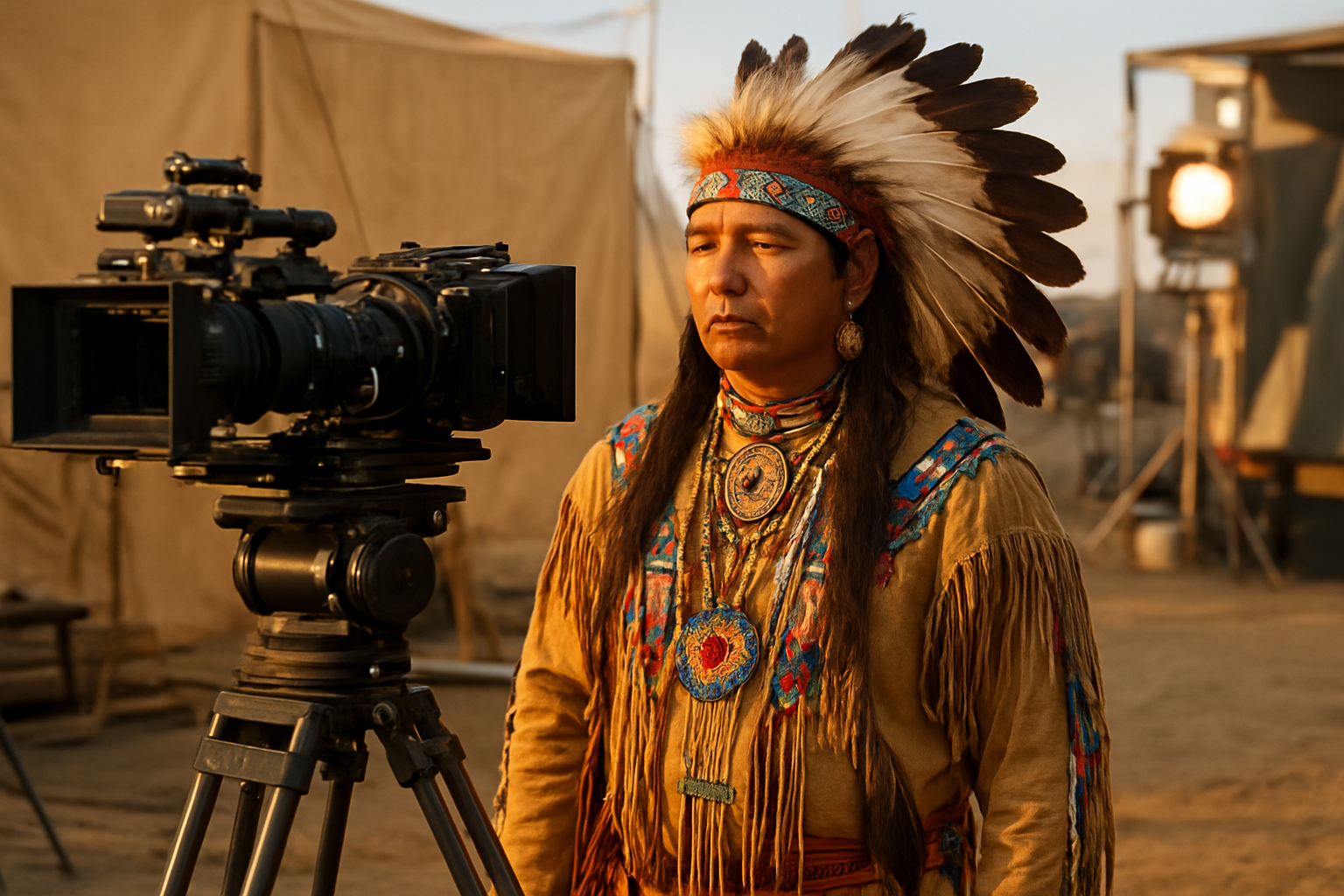
Hollywood’s misrepresentation of Native American culture runs deeper than just bad storytelling—it actively harms real communities and perpetuates damaging stereotypes that have lasted for generations. From one-dimensional characters who exist only as plot devices to completely fabricated historical events, these portrayals strip away the rich diversity and complexity of hundreds of distinct tribal nations. The fake spiritual dialogue and sacred ceremonies turned into entertainment spectacle show a fundamental disrespect for living cultures that deserve authentic representation.
The movie industry needs to do better, and that starts with hiring Native writers, directors, and actors to tell their own stories. When studios choose profit over accuracy, they’re not just making bad movies—they’re contributing to real economic disadvantages that affect Native communities today. Support films made by Native filmmakers, question the stories Hollywood tells about Indigenous peoples, and remember that behind every stereotype is a vibrant culture that deserves to be seen and heard on its own terms.

https://shorturl.fm/xc60H
https://shorturl.fm/S2r5v
Invite your network, boost your income—sign up for our affiliate program now!
Share our products, reap the rewards—apply to our affiliate program!
Turn your audience into earnings—become an affiliate partner today!
https://shorturl.fm/xENs4
https://shorturl.fm/NEfbm